

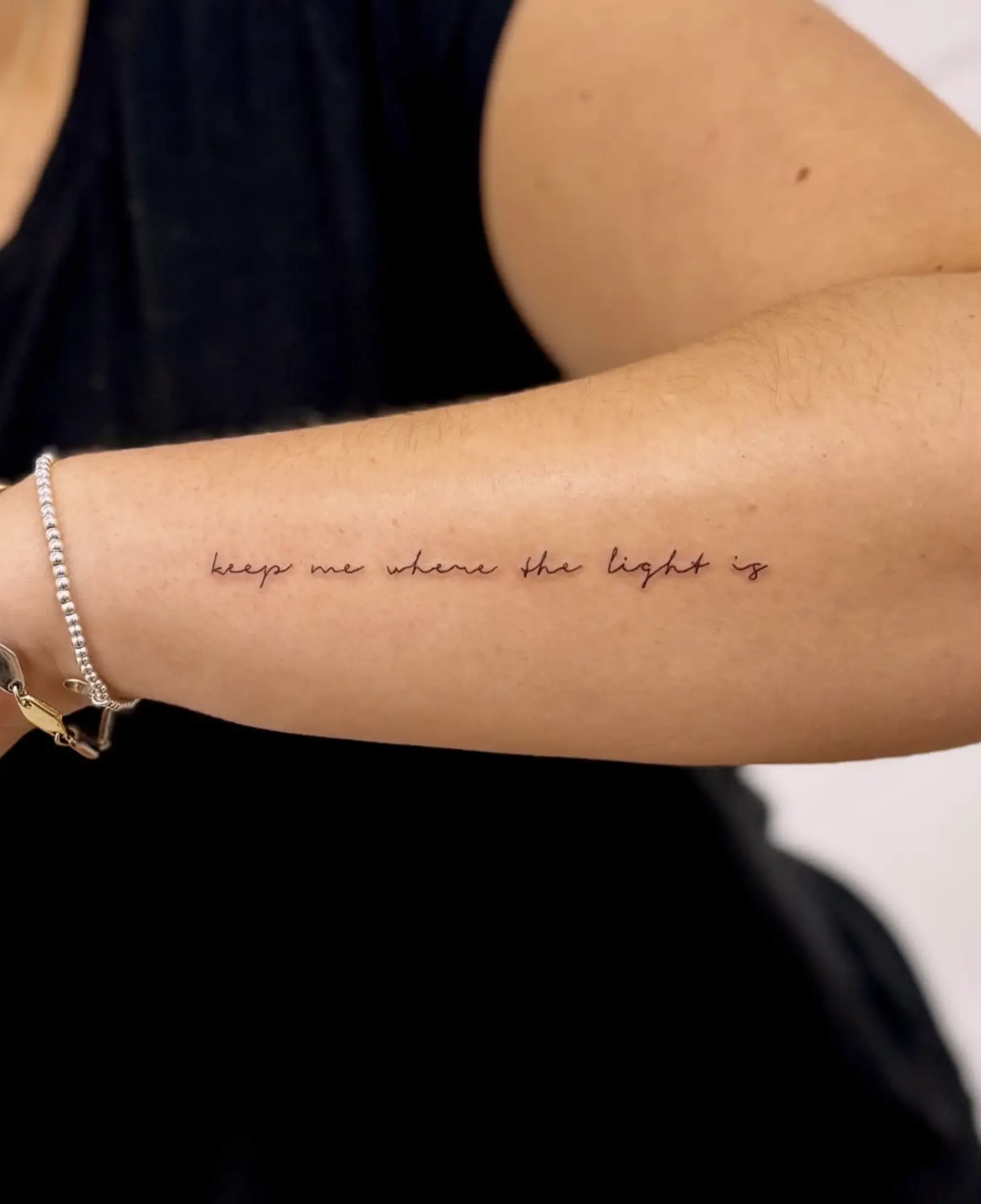
So you’re asking what does fine line mean in tattooing? Well, you’re not alone — it’s one of the most popular styles in studios from Melbourne to Manhattan. And it’s no wonder. With their minimalist look and Instagram appeal, fine line tattoos are having a moment.
But there’s more to this delicate style than just looks. As a cosmetic tattoo artist, I’ve seen firsthand how fine line work requires a steady hand, top-notch tools and a deep understanding of skin — especially when it comes to long-term results. Fine line tattooing is growing in popularity because it gives crisp, subtle artwork with a unique, lightweight feel on the skin.
Let’s break down what “fine line” really means, what makes it different from traditional tattoo styles, and why it might (or might not) be right for your next ink.
Contents
It’s a Whole Technique
Fine line tattooing isn’t just about size — it’s about skill. This style uses single needles or very small needle groupings to create ultra-thin lines, soft shading and detail that looks like it’s been drawn on with a pen.
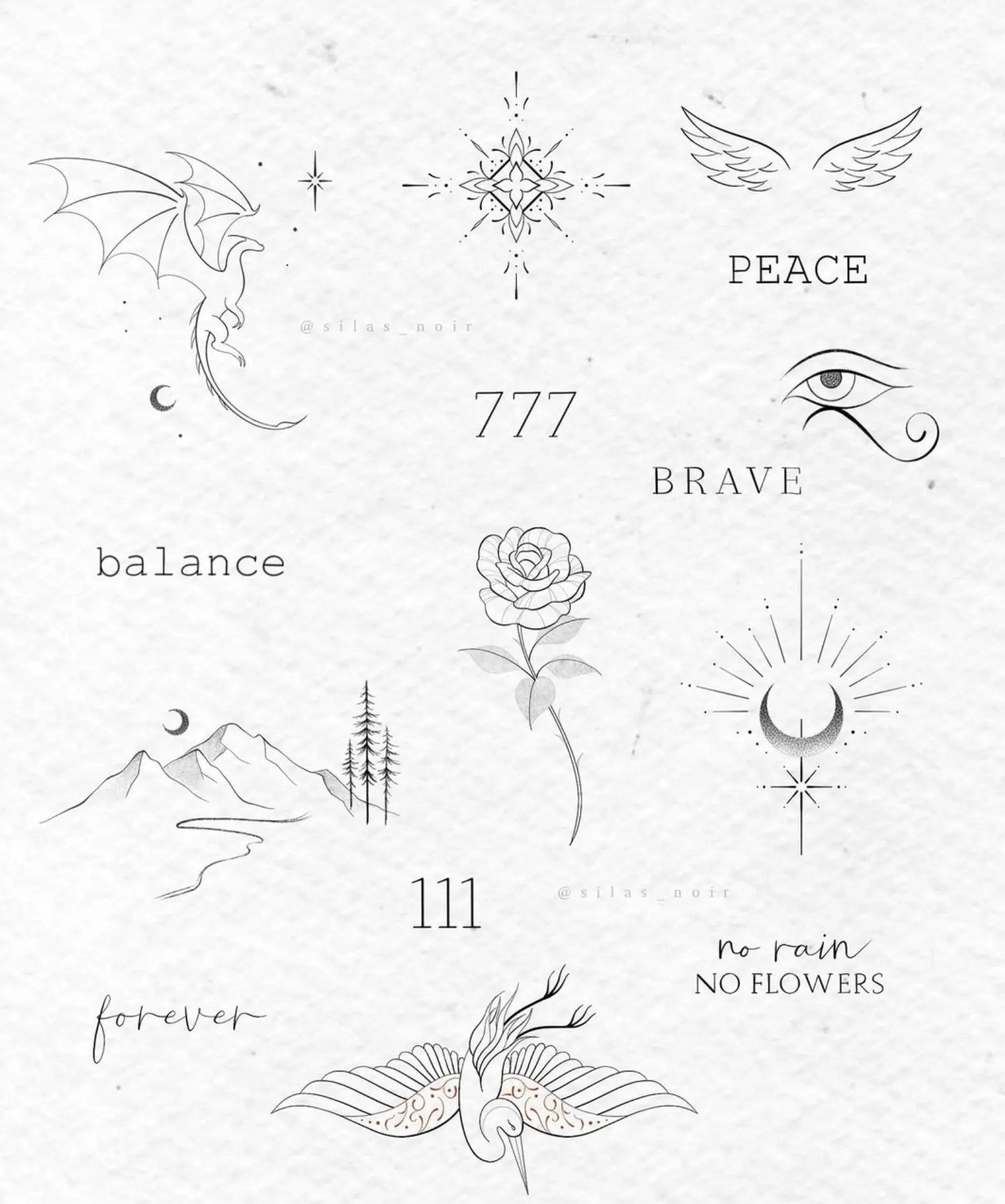
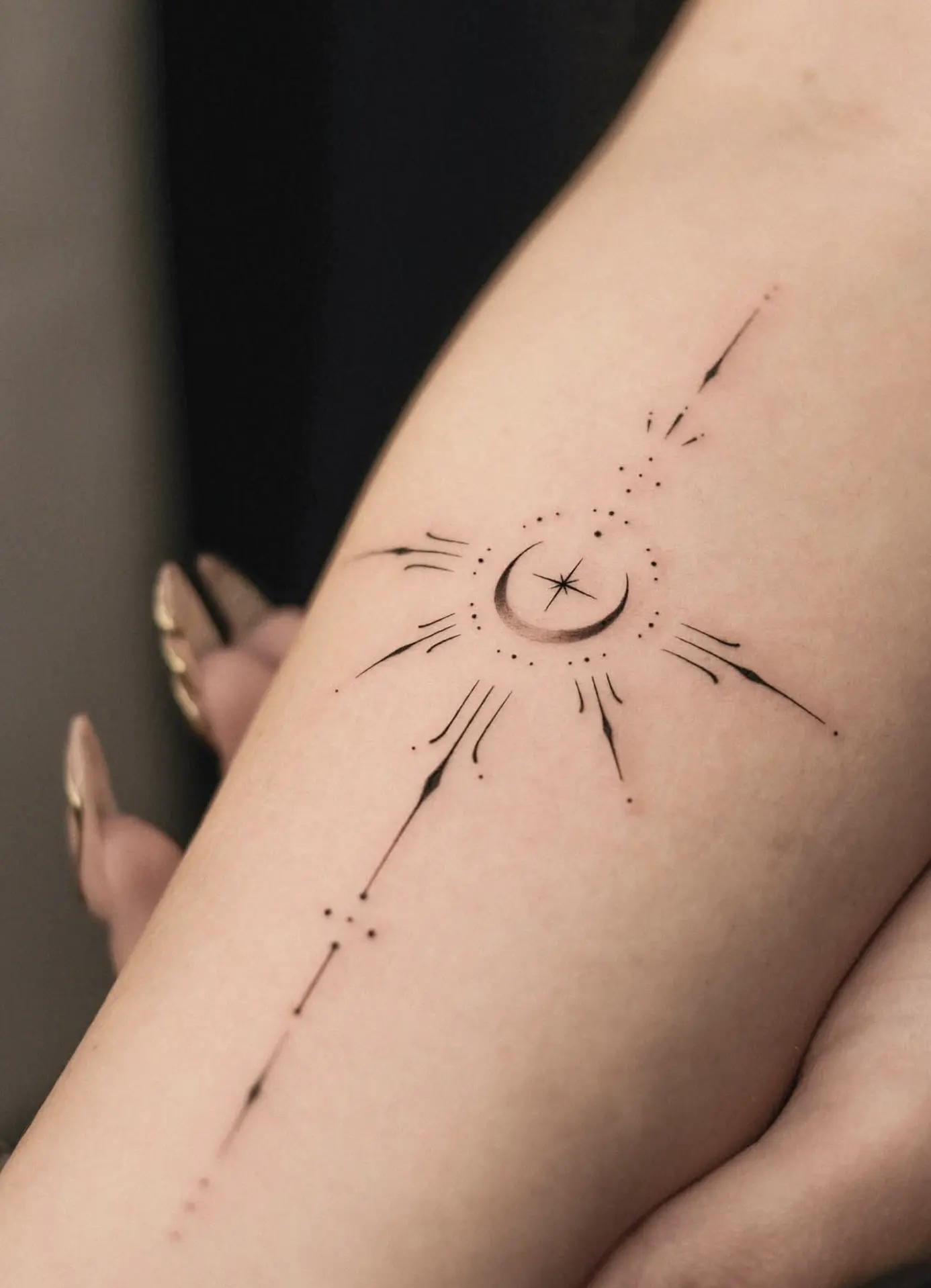
In our Melbourne studio, most of our tiny tattoo or minimal design requests fall under this category. Think delicate florals, micro tattoos, tiny finger tattoos, minimalist designs, animal silhouettes, abstract art, floral and botanical designs or geometric patterns. The results are subtle, elegant and often very personal. A well-done fine line tattoo design can add just the right amount of visual storytelling without overwhelming the skin.
But here’s the catch: with great subtlety comes great responsibility. Because fine line tattoos rely on so little trauma to the skin, they can fade or blur if not done properly. That’s why your artist’s experience — and understanding of blow out, ink pigments and shading techniques — matters just as much as the design.
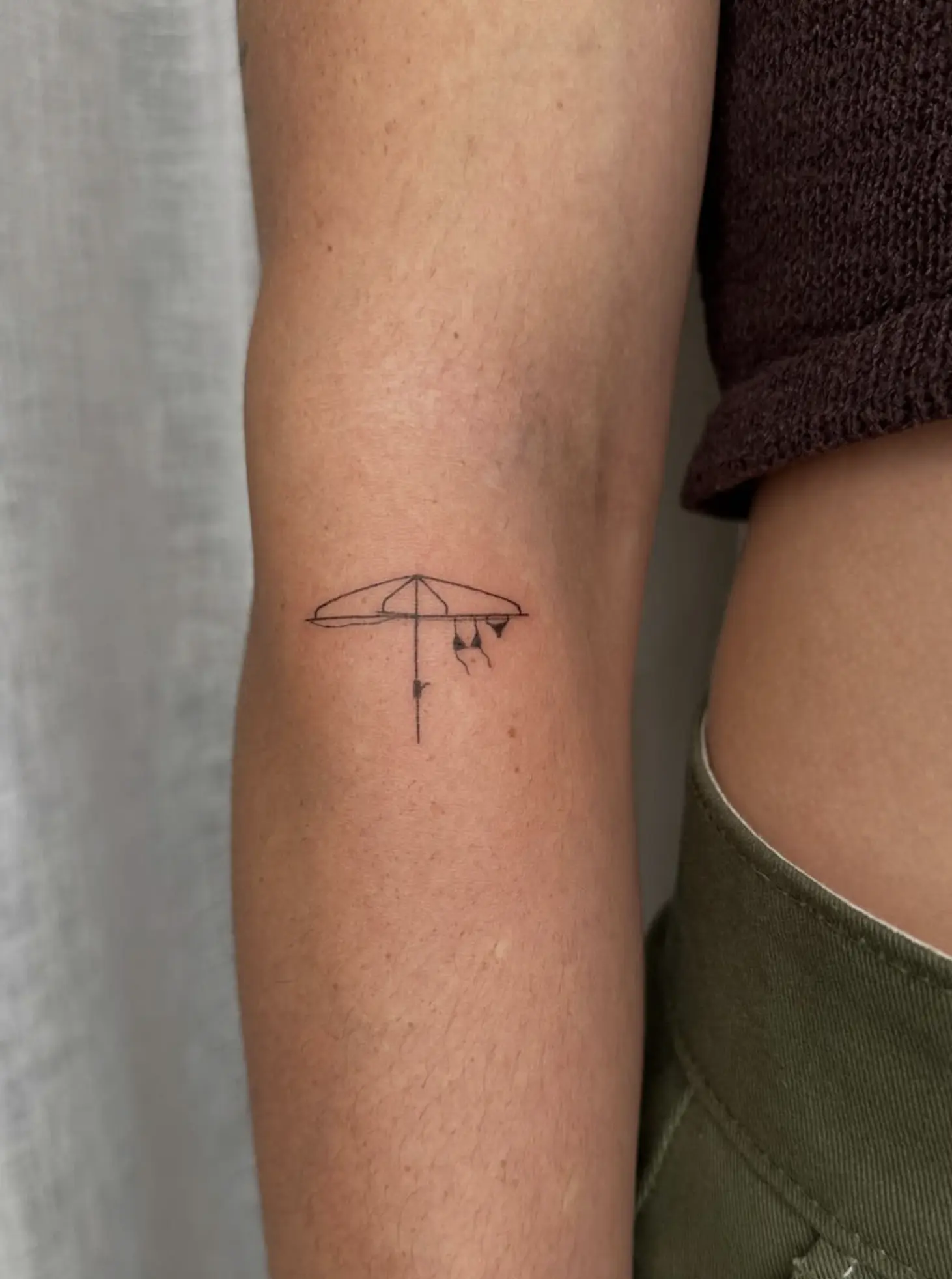
Fine Line vs Traditional Tattoo Styles
| Feature | Fine Line Tattoo | Traditional Tattoo |
|---|---|---|
| Needle type | Single needle or 3RL | 5RL, 7RL or magnum needles |
| Line thickness | Ultra-thin lines | Thick, bold lines |
| Style | Minimalist, delicate | Bold, graphic, often colourful |
| Common placements | Fingers, collarbone, behind the ears, wrists | Arms, back, chest |
| Longevity | May fade sooner | Typically longer-lasting |
| Healing time | Generally quicker | More intensive |
Why Skin Type Matters More Than You Think
Skin isn’t a one-size-fits-all canvas. Your skin type can affect how your fine line tattoo heals, holds pigment and looks over time. For example, oily skin or areas with high movement (like fingers) may cause the lines to spread or blur sooner.
At Face Figurati Cosmetic Tattoo Studio in Melbourne, I always assess skin texture, pore size and even how blood vessels sit under the surface. Someone with thin, dry skin may be a perfect candidate for a fine line tattoo, while others may be better suited to slightly thicker designs.
For clients interested in learning the technique themselves, a comprehensive fine line tattoo course will also explain how different skin types respond to this minimal style of ink application.
Pigment retention also varies — and that’s where your immune system and lymphatic system come into play. Since your body treats pigment as a foreign substance, it naturally tries to break it down over time.
What to Expect Day by Day
Fine line tattoos heal faster than traditional tattoos, but that doesn’t mean you can skip the aftercare.
- Day 1-2: Expect mild redness and light swelling around the area. Keep it clean and don’t touch it with unwashed hands.
- Day 3-5: Some flaking or peeling may occur. Don’t pick — let the skin shed naturally.
- Day 6-10: The area may look slightly faded or cloudy. This is normal during healing as the second layer of skin reforms.
- After 2 weeks: Most of the visible healing is done, but the internal layers are still stabilising.
Remember: fine line work sits closer to the skin’s surface, so protecting it from sun exposure is crucial. UV rays can break down pigment quickly — especially in tattoos with minimal shading.
Magic Behind the Machine
Not all tattoo machines are built for fine line precision. Most tattoo artists use rotary machines or pens that allow for smoother, gentler application, perfect for subtle designs. Single-needle tattoos rely on one tiny needle that delivers ink with pinpoint accuracy, but it takes a steady, trained hand.
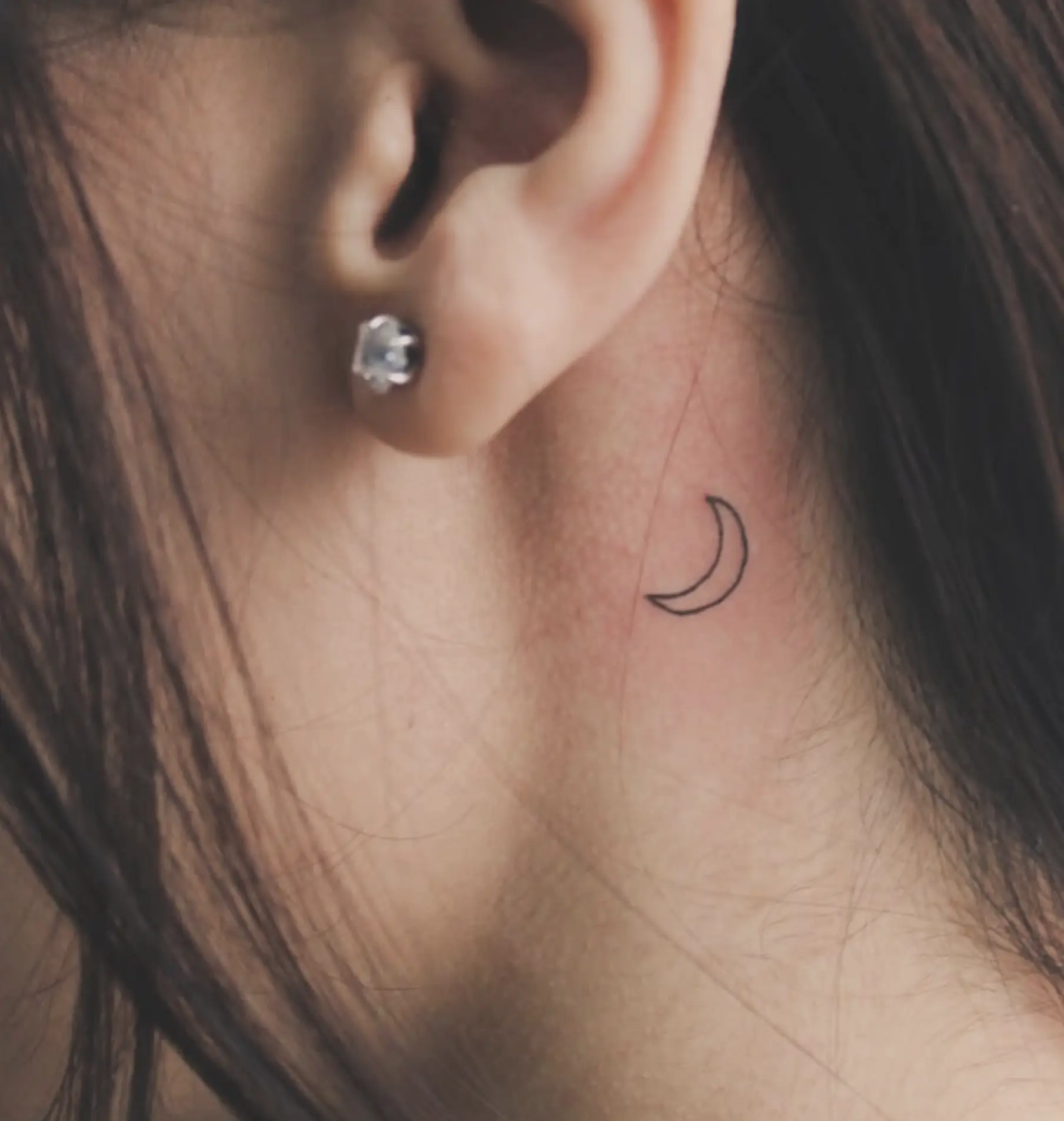
Think of it like painting with a needle-thin brush versus a broad one — it’s more intricate, more delicate and less forgiving. That’s why single needle tattoos are often reserved for portrait tattoos, script, geometric line work or hyper detailed art. Whether it’s a minimalist moon behind the ear or detailed floral work on the wrist, every fine line tattoo requires control, patience and skill.
At Face Figurati, we use only certified machines and sterile single-use needles to ensure safe and consistent results. And yes, we’ve seen our fair share of TikTok trends walk through the door, but results always trump trends.
Fine Line Tattoo Longevity
One of the most asked questions is, “Will it last?” And the answer is: it depends.
Fine line tattoos can fade faster than bold line work, especially on areas with high friction or sun exposure. Fingers, hands and the sides of feet are notorious for rapid fading.
But with proper aftercare — including sun protection, no exfoliants, and not over-cleansing — you can keep your ink crisp. I’ve seen single needle tattoos last 5+ years with the right touch-ups and lifestyle choices.
If longevity is your top priority, consider:
- Your skin type (oily skin may blur fine lines)
- Tattoo placement (avoid high-wear areas)
- Your lifestyle (sun exposure, gym routines, skincare)
- Use of colour ink (may fade differently than black and grey)
Even with great care, a fine line tattoo design may need a touch-up or colour refresh every couple of years — especially in high-movement areas.
Social Media Shapes Trends
Let’s be real — half of what’s trending in tattoo styles comes straight from Instagram and TikTok. And while social media has helped normalise and diversify tattoo aesthetics, it also spreads a lot of misinformation.
One common myth? That fine line tattoos are “less permanent” or “more gentle”. In reality, all tattoos are permanent — it’s just that finer work may appear softer or fade faster if not cared for properly.
I’ve had clients come in asking for “minimalist tattoos that won’t last forever,” assuming they’re semi-permanent. Nope. That’s not how ink works.
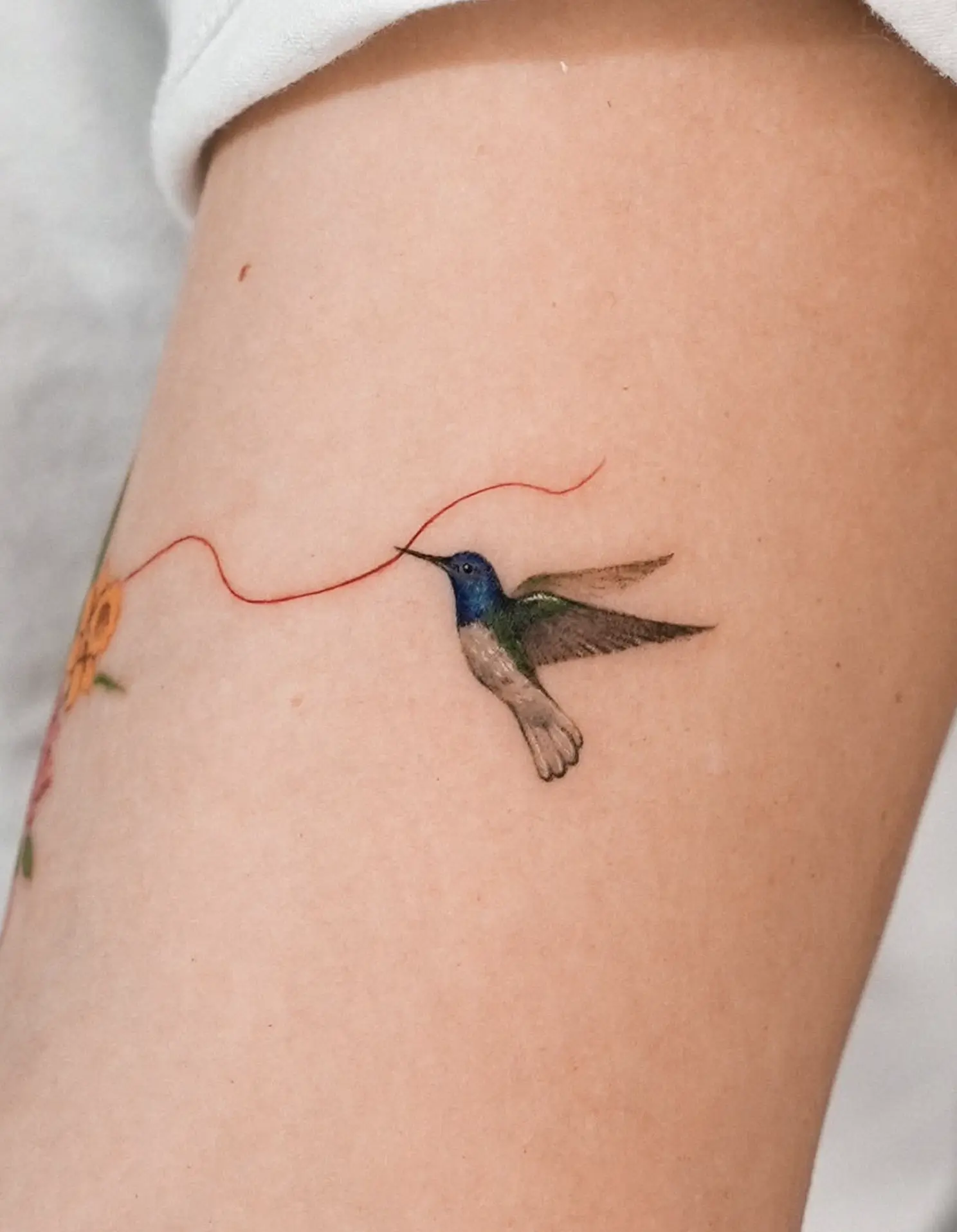
And yes — whether it’s minimalist tattoos with geometric shapes, linework quotes, or delicate abstract designs — always bring solid reference images. What you see online can look very different in real skin and lighting. The explosion of fine line tattoo trends on social media has definitely inspired more clients to explore minimalistic styles.
Fine Line Tattoo Courses and Safety
If you want to learn fine line tattooing, look for a fine line tattoo course that includes skin anatomy, hygiene protocols, shading techniques, proper use of transfer paper and hands-on training with a professional tattoo machine — not just a few hours of theory and social media marketing.
Always choose certified professionals who know how to work with single needle technique, handle skin sensitivities and apply pigment safely into the second layer of skin.
Bad technique can cause ink migration, blow out or even blood-borne infections — all avoidable with the right training.
FAQ
Are fine line tattoos more painful?
Not necessarily. Many clients say they feel less painful since the needle is finer — but it depends on placement and individual pain tolerance.
Do fine line tattoos need touch-ups?
Often yes. Especially on high movement or sun-exposed areas. Touch-ups after 6-12 months are common.
Can you get colour with fine line tattoos?
Technically, yes, but it’s rare. Most fine line work is done in black and grey to maintain clarity over time.
Do fine line tattoos fade faster?
They can. Because the lines are thinner and closer to the skin’s surface, they’re more vulnerable to fading from UV rays or pigment breakdown.
What’s the cost of a fine line tattoo?
Prices vary by studio and size, but in Melbourne you’re looking at $150–$400 for small to mid-size pieces.