

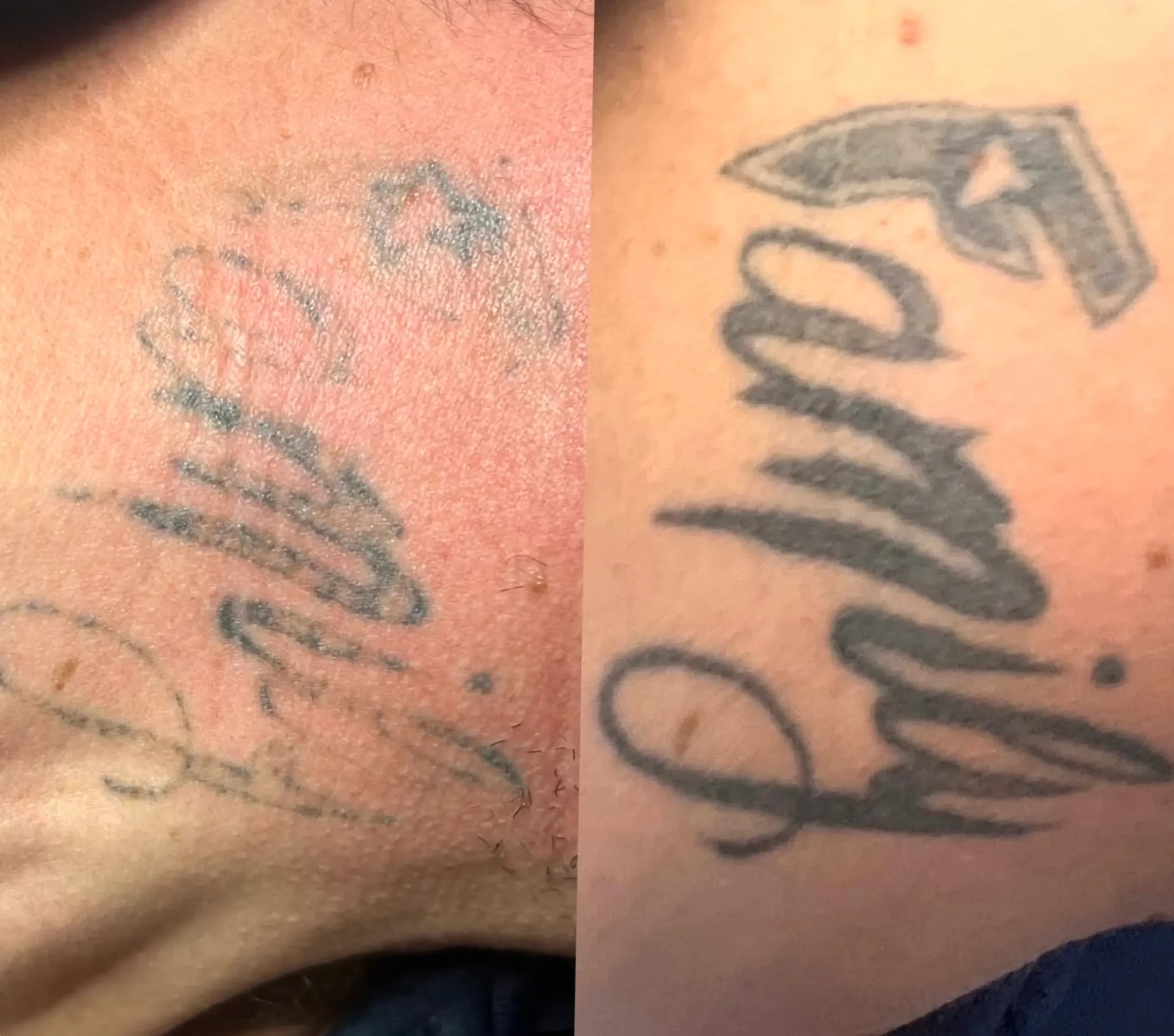
Can you remove a tattoo with candle wax? You may have seen this idea floating around social media — usually in a “life hack” video that makes it look easy. Unfortunately, as someone who’s worked in the tattoo removal and cosmetic tattoo correction space for years here in Melbourne, I can tell you this is one of those trends that’s more likely to leave you with skin damage, scar tissue, and regret than clear skin.
People try DIY methods because they seem cheaper than professional tattoo removals at tattoo parlors or clinics. But using taper candles, a wax jar, or depilation wax for removal is not just ineffective — it’s dangerous. Let’s break down why candle wax can’t reach your tattoo ink, what could happen if you try, and what the safe, medically-backed options are.
Contents
- 1 Where Tattoos Live In Your Skin
- 2 Why Candle Wax Removal Doesn’t Work
- 3 Risks And Adverse Effects
- 4 Professional Methods Work (And DIY Doesn’t)
- 5 Home Remedies
- 6 Specifics For Tattoo Removal
- 7 How Much Does Laser Tattoo Removal Hurt?
- 8 When Cover-Ups Make More Sense
- 9 Healing Process And Scar Prevention
- 10 2025 Industry Statistics
- 11 Final Word
- 12 FAQ
Where Tattoos Live In Your Skin
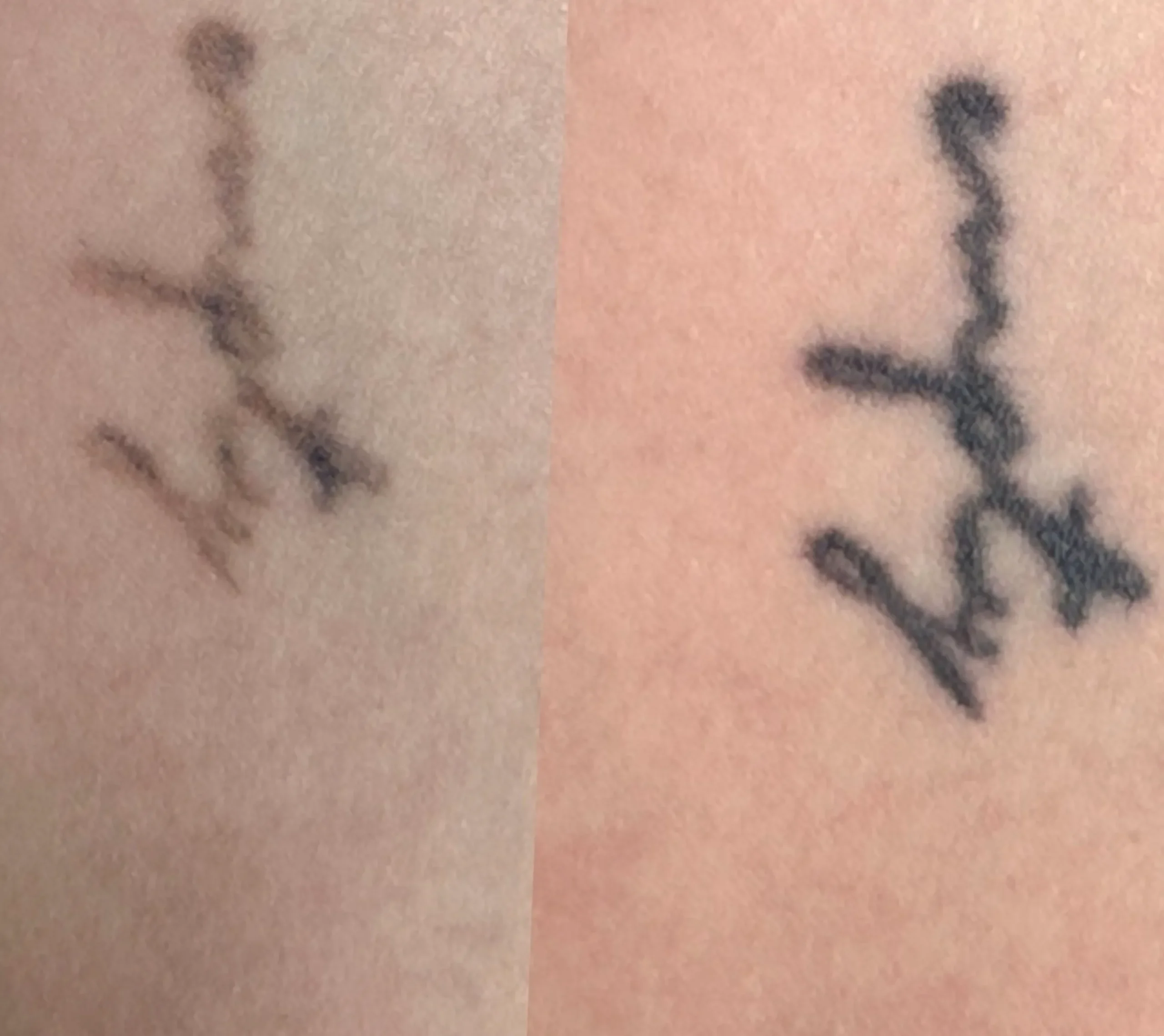
When a tattoo artist creates a design, the needle deposits tattoo pigments deep into the dermis — the layer of skin beneath the epidermis. These ink particles are held in place by skin cells and surrounded by your immune system’s scavenging cells (macrophages).
Over time, your lymphatic system slowly carries away tiny amounts of pigment, which is why tattoos may fade naturally over decades. But there’s no way for candle wax, no matter how hot, to penetrate to that depth and break up the particles.
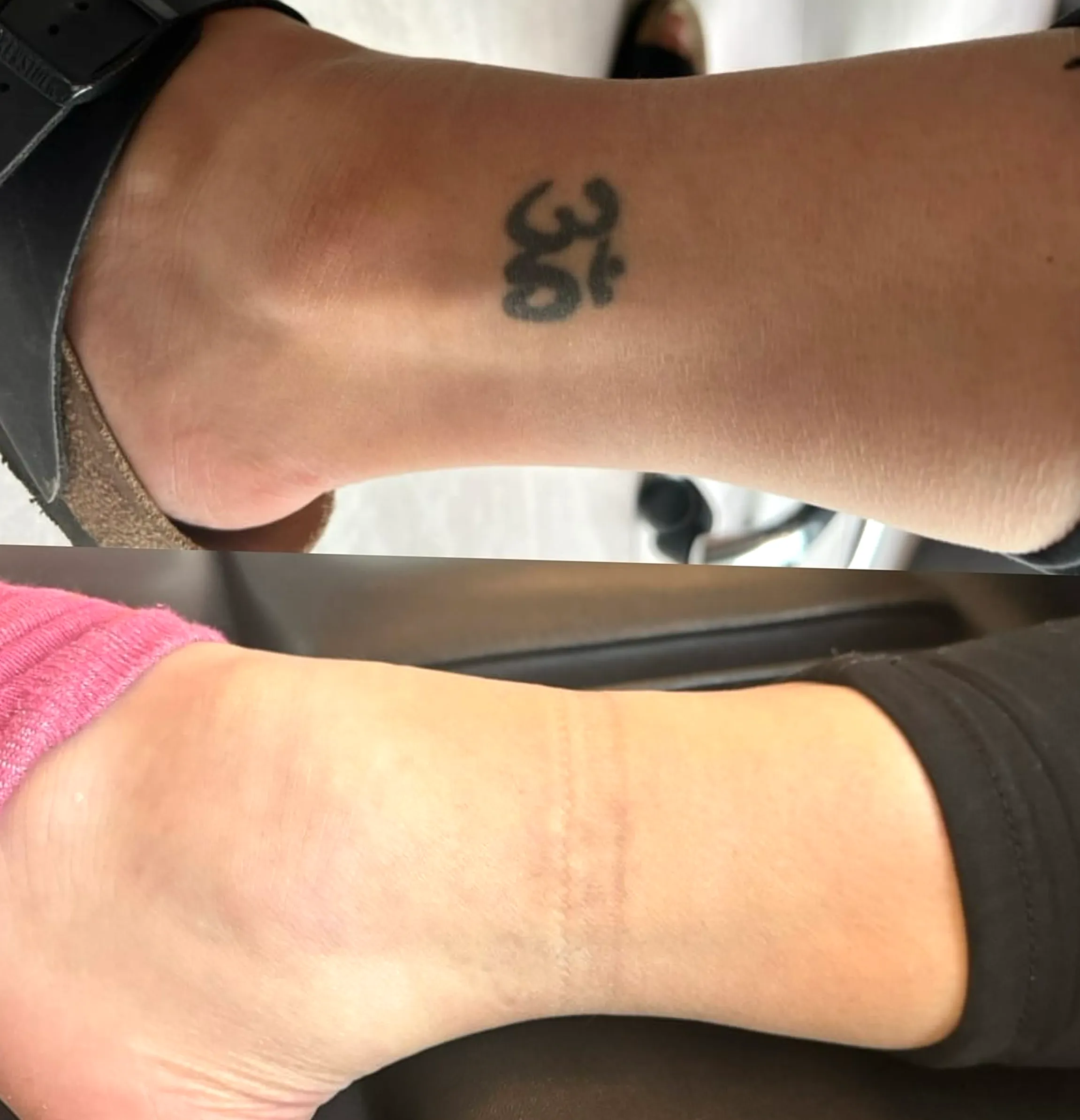
This is why professional methods like laser tattoo removal (including Q-switched lasers and other laser treatment devices) or saline tattoo removal are used — they deliver targeted action to the ink in the dermis without destroying the surrounding skin structure. At Face Figurati Cosmetic Tattoo Studio in Melbourne, we’ve seen first-hand how choosing the right method from the start can save your skin from unnecessary trauma.
Why Candle Wax Removal Doesn’t Work
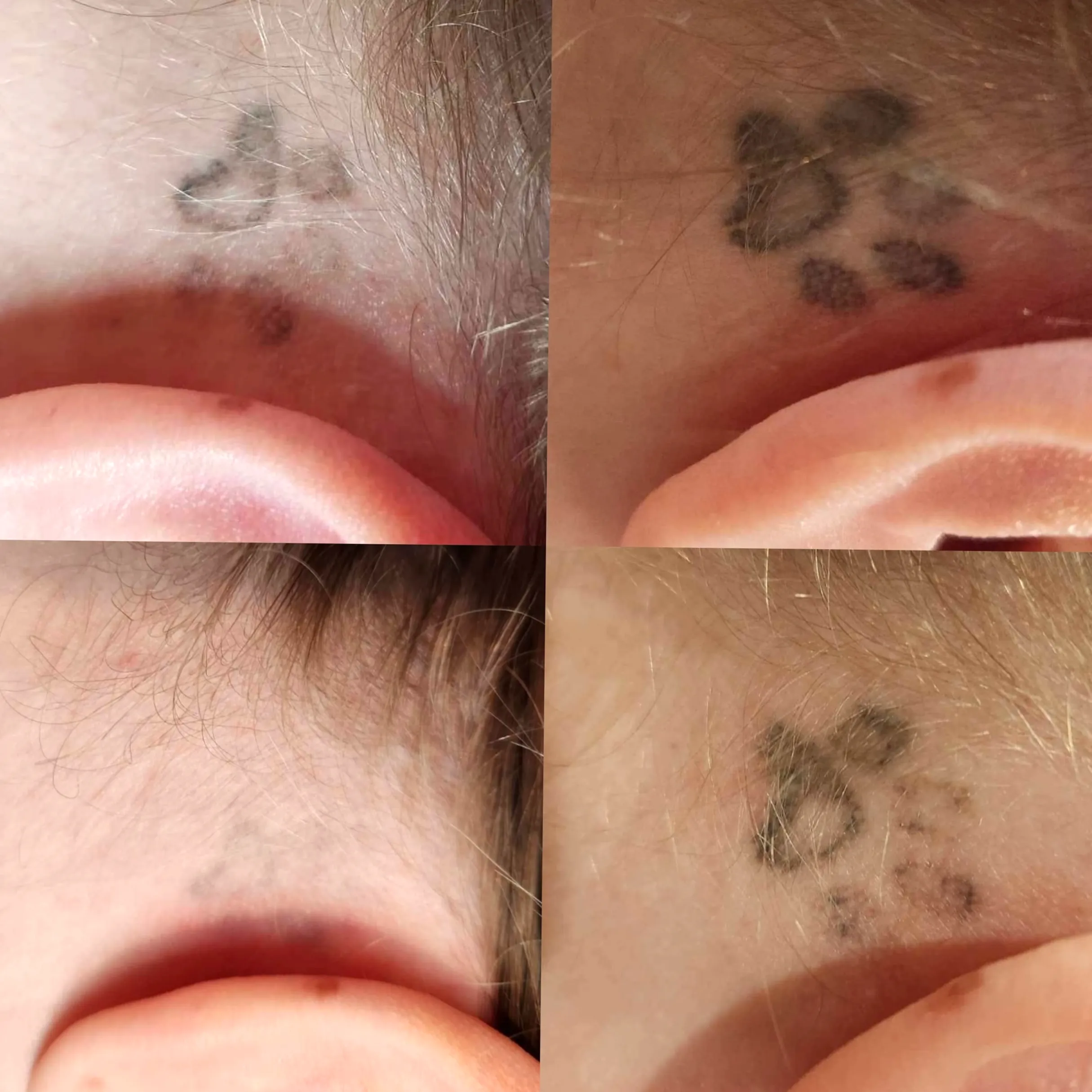
- Wax only affects the epidermis — your surface skin.
- Tattoo pigments are deeper, safely tucked away from surface-level treatments like waxing or even laser hair removal.
- Hot wax can burn, causing blisters, skin discolouration, and keloid scar formation.
- You could end up needing surgical removal or even skin grafts to repair the damage — and the tattoo will likely still be there.
If you’ve ever seen a wax strip pull out leg hair, you’ll know it’s nowhere near strong enough to pull out something embedded in the dermis.
Risks And Adverse Effects
- Thermal burns from overheated wax
- Blistering that increases risk of infection
- Permanent skin discolouration (hypo- or hyperpigmentation)
- Scar tissue and keloid scars
- Adverse effects like chronic pain or sensitivity
In short — it’s all pain and risk, with zero pigment removal.
Professional Methods Work (And DIY Doesn’t)
| Method | How it works | Pigment depth | Typical Melbourne cost (2025) | Downtime |
|---|---|---|---|---|
| Laser Tattoo Removal | Breaks ink with light pulses; the body’s immune system clears particles | Dermis | $150–$450 per session | Minimal |
| Q-switched lasers | Short bursts of high energy break down pigment | Dermis | Included in laser pricing | Minimal |
| Saline tattoo removal | Draws pigment out via osmosis | Dermis | $200–$350 | Minimal |
| Surgical removal | Cuts out tattooed skin, stitches edges | Dermis + epidermis | $500+ | 1–2 weeks |
| Cover-up tattoo | Adds a new design over the existing | N/A | $200–$1000 | None |
These treatments use medical science to interact with tattoo pigments. They’re done by trained professionals who know skin type differences, healing processes and how to minimise side effects.
Home Remedies
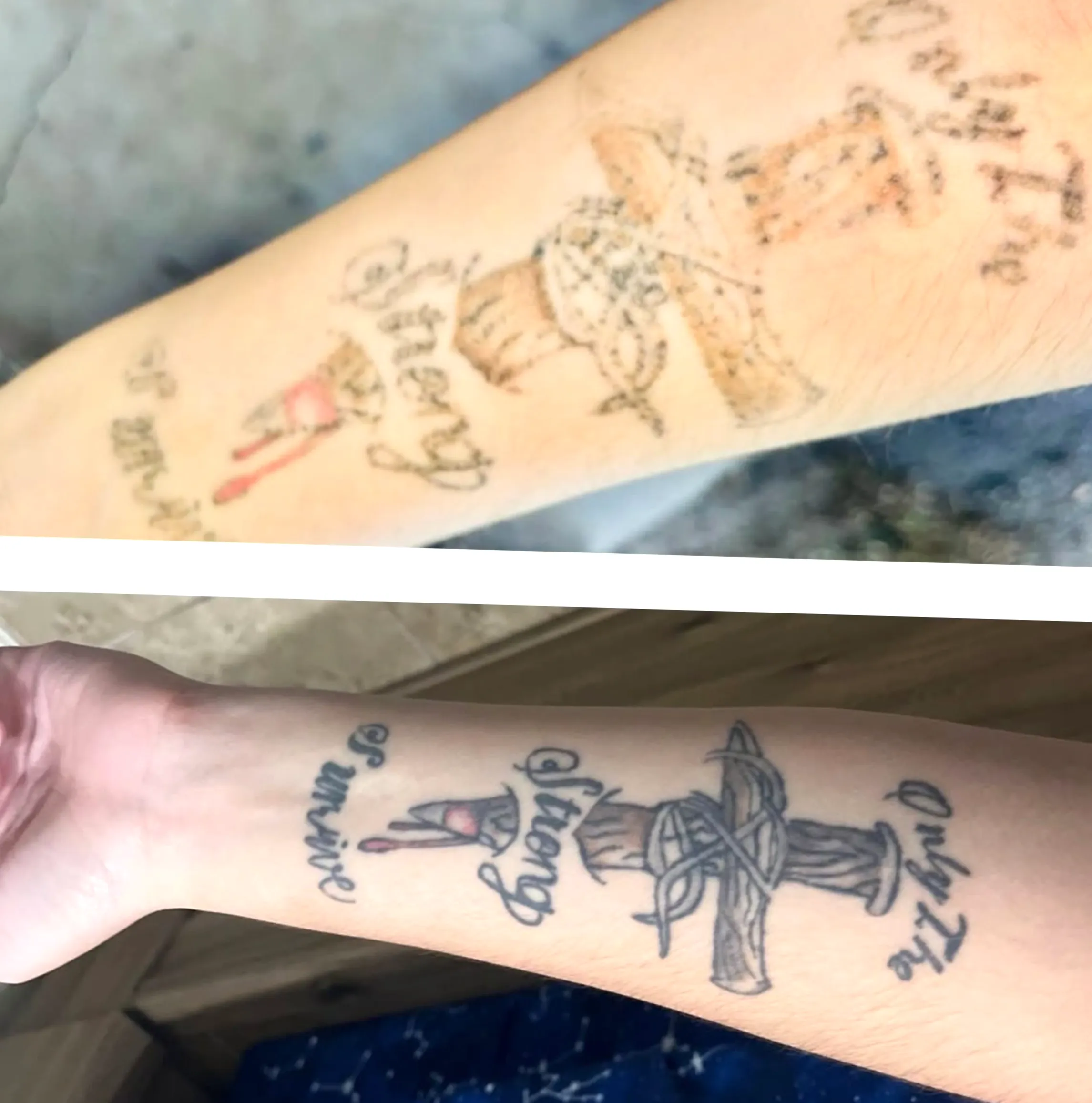
Along with candle wax, you’ll hear about home tattoo removal methods like:
- Nail polish remover
- Citric acid or lemon juice
- Hydrogen peroxide
- Aloe vera
- Salt water scrubs
Some sound gentle (Aloe vera), and others sound like they’ll “strip” the skin (nail polish remover, hydrogen peroxide), but none are safe or effective. Most will irritate or burn without touching the pigment, and some can cause infections that are worse than the tattoo itself.
Tattoo removal creams and removal cream kits also fall into this category — they can lighten the skin surface but don’t break up ink in the dermis. If you’ve already had laser hair removal in the past, you’ll know that professional-grade devices are designed to target very specific pigments or follicles — the same applies to tattoo removal equipment.
Specifics For Tattoo Removal
Here in Melbourne, our changing seasons play a big role in the healing process after laser removal or saline tattoo removal:
- Summer: High UV levels can cause skin discolouration during healing. SPF is non-negotiable.
- Winter: Dry air can slow healing — moisturise carefully to avoid irritation.
- Lifestyle: Don’t schedule removal right before a holiday that involves sun exposure or swimming (chlorine and salt water can irritate healing skin).
In my studio, I advise clients to book laser tattoo removal blocks in cooler months for faster, cleaner recovery.
How Much Does Laser Tattoo Removal Hurt?
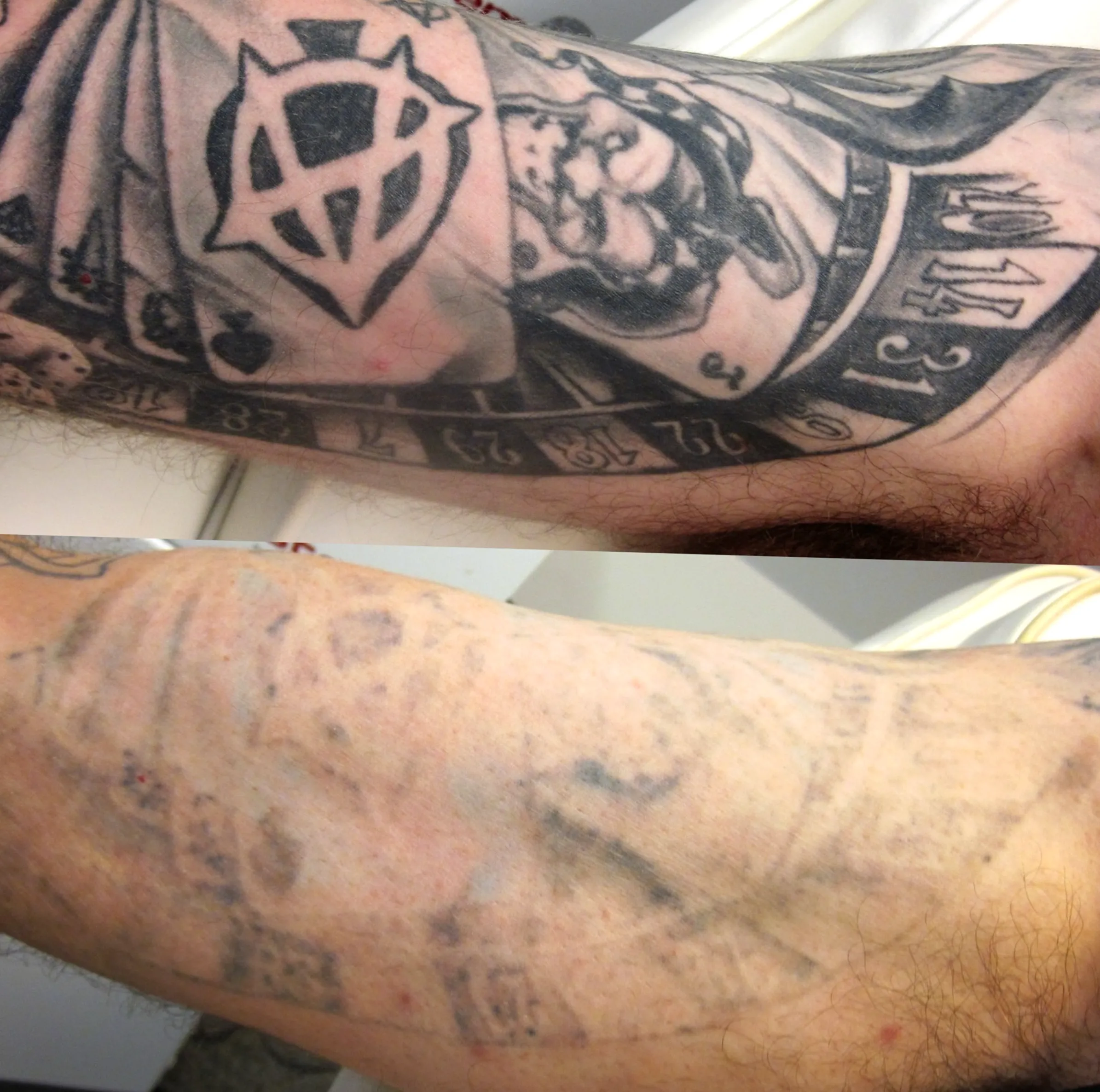
If you’re worried about laser tattoo removal pain, know that modern machines like Q-switched lasers use cooling technology and precise spot size adjustments to make it as comfortable as possible. Most clients compare it to the snap of an elastic band on the skin.
The discomfort is short-lived, far less than the long-term effects of trying home remedies or candle wax removal.
When Cover-Ups Make More Sense
- You like tattoos but not the design
- Your skin type or medical history makes laser risky
- The tattoo is heavily scarred and laser surgery would be complicated
Many tattoo artists in Melbourne do cover-ups that work with the existing pigmentation, not against it.
Healing Process And Scar Prevention
- Keep the area clean and dry for 24–48 hours
- Avoid chemical peels or exfoliants until healed
- Don’t pick at scabs — let the skin cells regenerate naturally
- Apply recommended creams (not DIY mixes of citric acid or lemon juice)
- Monitor for signs of infection or keloid scar formation
Your immune system and lymphatic system do much of the heavy lifting after laser, clearing broken pigment over weeks and months.
2025 Industry Statistics
- Laser Tattoo Removal demand has increased by 32% in Melbourne since 2023.
- Cover-up tattoos are now requested by 28% of clients with unwanted ink.
- Saline tattoo removal is the second-most popular for cosmetic tattoos, especially brows and lips.
- The most common reason for removal is still regret over poor design or quality, not dislike of tattoos in general.
Final Word
Removing a tattoo with candle wax might make for a shocking social media video, but it’s not a solution — it’s a recipe for burns, skin discolouration, and scar tissue. Safe tattoo removal takes skill, proper equipment, and respect for your skin’s biology.
If you’re in Melbourne and considering removal, book in with a trained professional who can tailor the treatment to your skin type, ink colours, and lifestyle. Whether you choose laser tattoo removal, saline tattoo removal, or a cover-up tattoo, the right approach will protect your skin and get you closer to the result you want, without the risks of candle wax.
FAQ
Can candle wax remove a tattoo?
No — it can burn your skin, cause scars, and won’t reach the pigment.
Is there any safe home tattoo removal method?
No — home remedies like salt water, nail polish remover, or lemon juice are unsafe and ineffective.
What’s the safest method for sensitive skin?
For most, laser tattoo removal with the right spot size and cooling is safest. Always consult a professional.
Can I use removal creams before laser?
Not recommended — they can irritate the skin and delay your healing process.
How many treatments?
Tattoo size, ink colours and skin type dependent — most 6–10 sessions several weeks apart.