

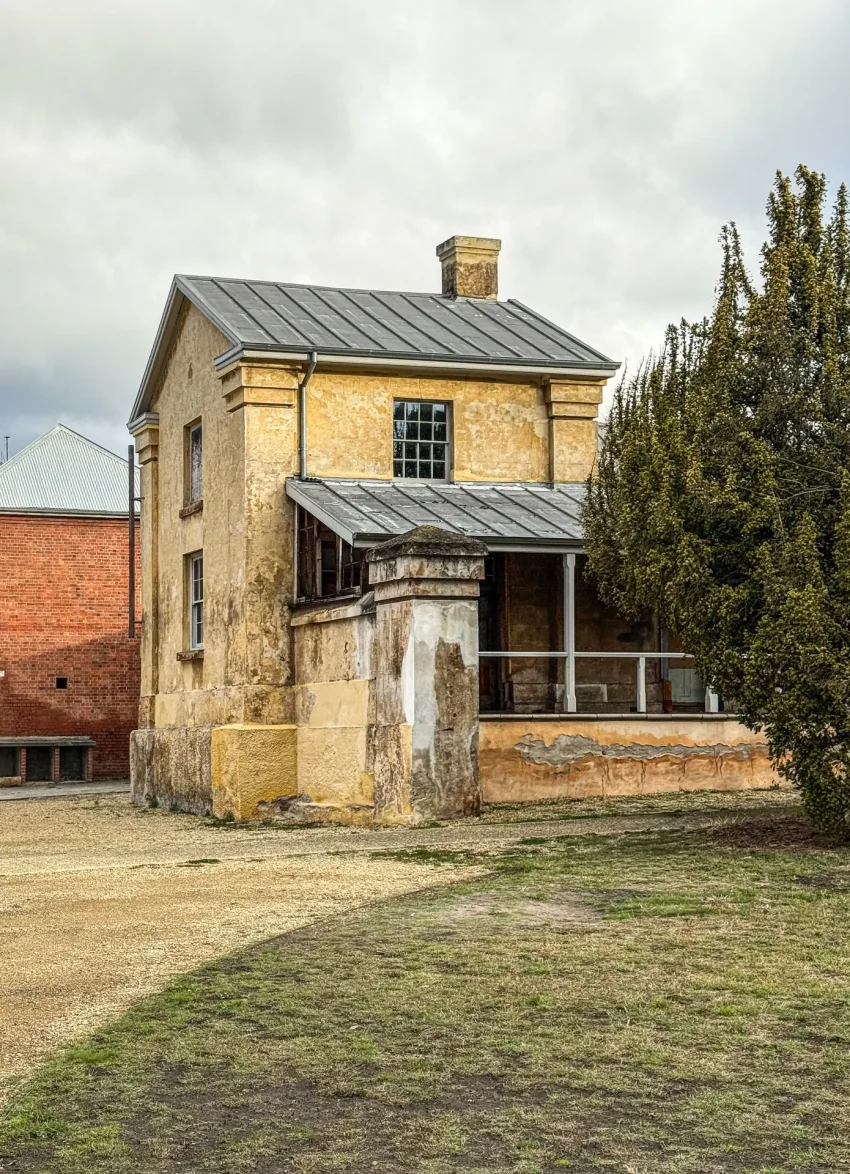
Best Places to Enjoy Autumn Foliage & Spot Wildlife in Tasmania March is just the ticket if you want to see the best of Tassie – and I don’t just mean the pretty views. It’s the sweet spot where the island starts to cool down, wildlife comes back to life, and the first touches of autumn start creeping into the landscape.
Over the years, I’ve shown loads of travellers through Tassie, and this is when things start to feel just right. There are fewer crowds, better light, and a more relaxed pace. If you’ve ever thought to yourself, “there must be a better way to travel” after a packed Melbourne Great Ocean Road tour with Wildlife Tour, then let me tell you – this is the way to do it.
Contents
- 1 Where To Find Reliable Autumn Colour
- 2 The Derwent Valley and New Norfolk: Where Autumn Colour Comes to Play
- 3 Mount Field National Park: Forest, Waterfalls & The Best Autumn Tones
- 4 Wildlife Encounters That Feel Real, Not Staged
- 5 Freycinet Coastline Near Wineglass Bay: Hang Around Longer Than The Tourists
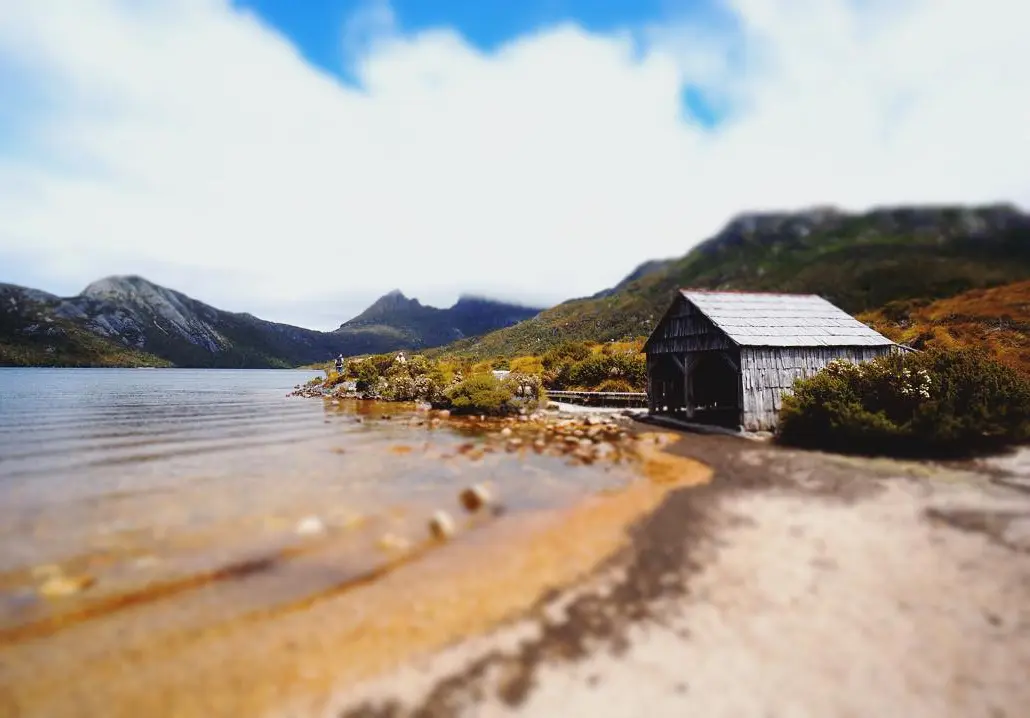
- 6 Cradle Mountain And Dove Lake: Timing Is Everything
- 7 Bruny Island: Where Wildlife Packs Itself In
- 8 Coastal Regions That Add A Whole New Hue
- 9 Bay Of Fires: A Different Kind Of Colour Palette
- 10 Tasman Peninsula: Wild And Windy
- 11 At-A-Glance Planning Guide For Key Regions
- 12 Time Your Days to Get Better Results
- 13 A Pretty Simple 5 Day Route That Hits the High Points
- 14 Practical Tips That Actually Make a Difference
- 15 Local Food and Wine Without the Crowds
- 16 What to Expect (And What Not To Expect)
- 17 Why This Approach to Travel is a Game Changer
- 18 Slow Down And Just Go With It
- 19 FAQ
Where To Find Reliable Autumn Colour
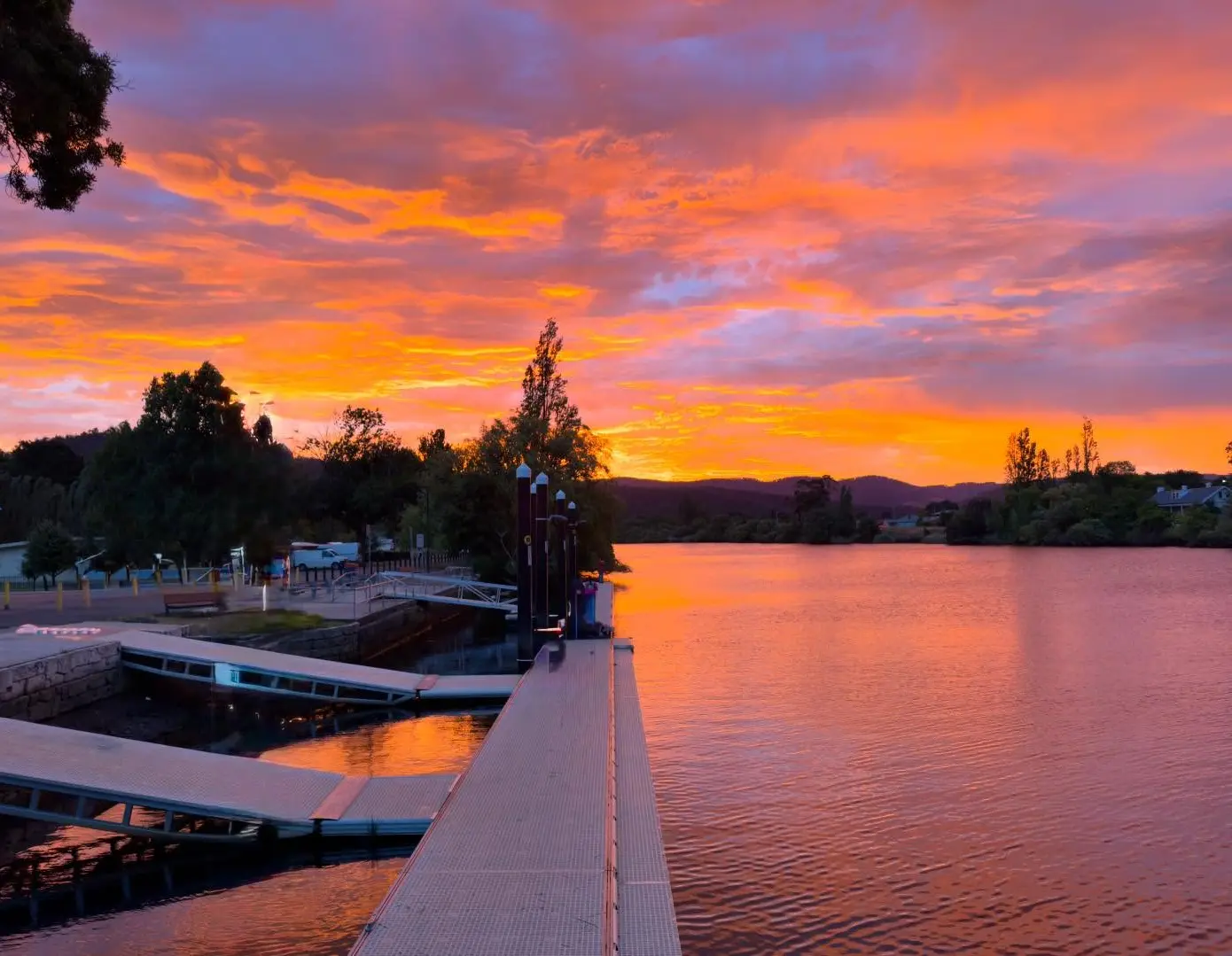
Tasmania isn’t exactly awash with gold trees – that’s just the way it is. To see the autumn colour, you’ve got to focus on the right places where deciduous trees were planted a long time ago, especially around the rivers and historic towns.
The Derwent Valley and New Norfolk: Where Autumn Colour Comes to Play
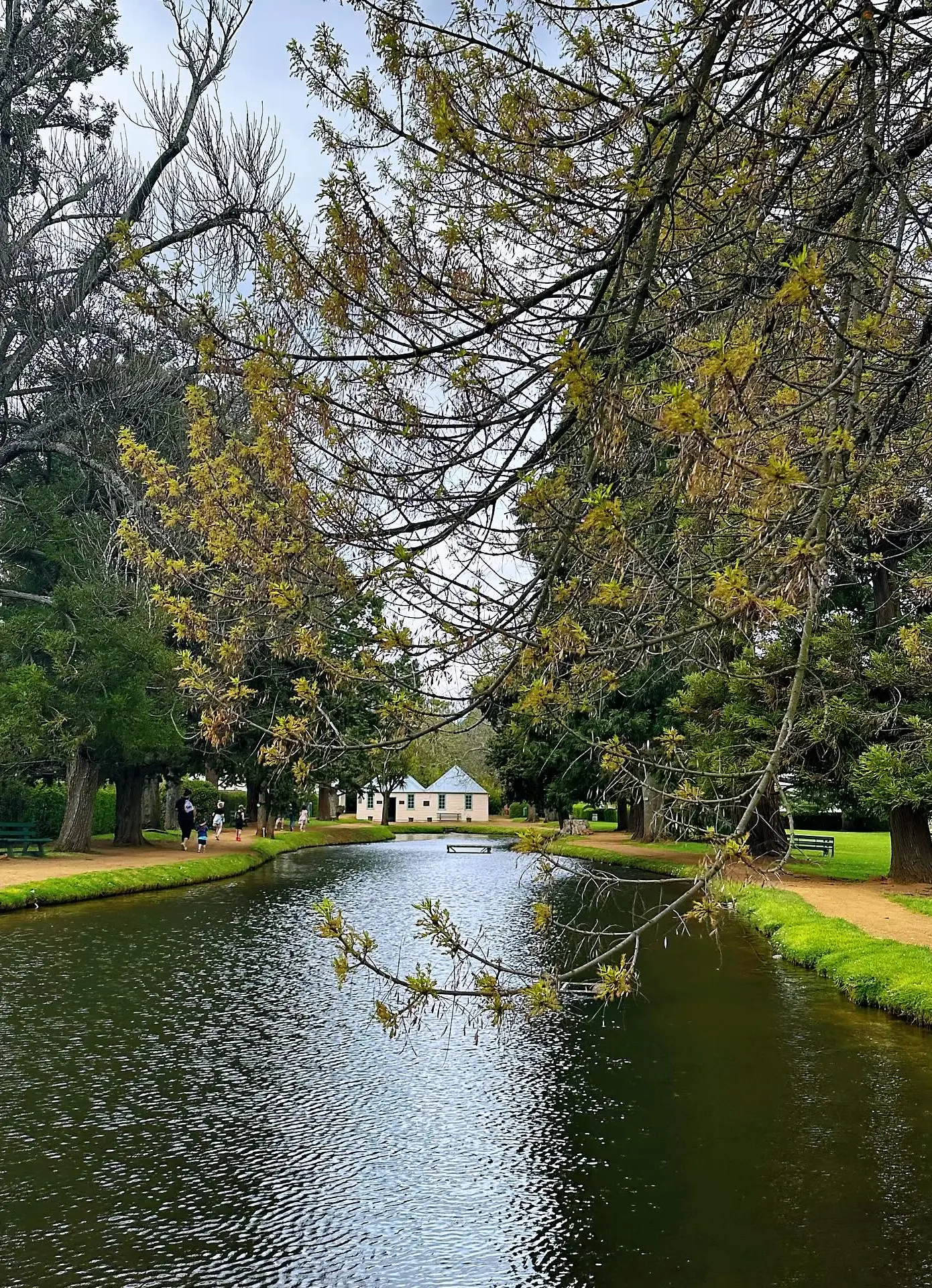
If you drive along the Derwent River through New Norfolk, you’ll be hard-pressed to go past this spot without your jaw dropping a bit. Its one of the most dependable places to see autumn colour – full stop.
Here’s what you can look forward to:
- Streets lined with trees turning every colour of the rainbow
- Soft reflections across the river as the sun comes up
- Quiet stopping spots where you can take a break and enjoy the view
Just a short drive away, you’ll find places like Salmon Ponds where heritage buildings sit among the autumn foliage, and it all just feels so peaceful. No crowds, no fuss – just Tassie being its wonderful self.
Mount Field National Park: Forest, Waterfalls & The Best Autumn Tones
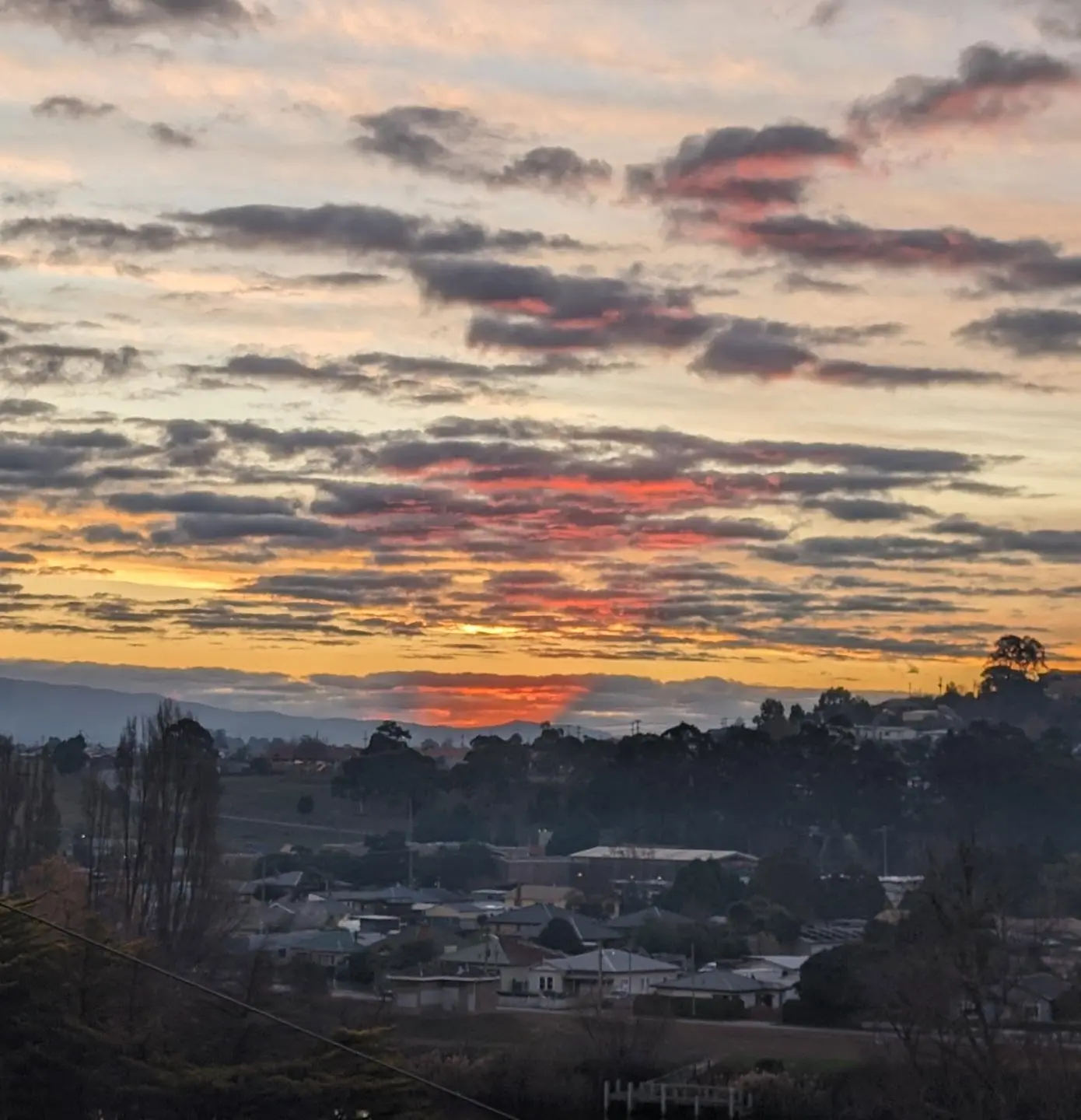
Mount Field has a winning mix of towering forest and subtle autumn hues that make the whole place feel worth the trip off the beaten track. It’s not exactly what you’d call dramatic by European standards – but it’s layered, textured and way more interesting than most of the other spots on the island.
Start with the walk to Russell Falls and then head deeper into the Tall Trees section. If you’ve got the time, head up to Lake Dobson or pop into Lake Fenton for some cooler air and a bit fewer crowds.
There’s a visitor centre here, and some decent picnic facilities – so you can easily spend the whole day without going mad trying to plan the perfect itinerary.
Wildlife Encounters That Feel Real, Not Staged
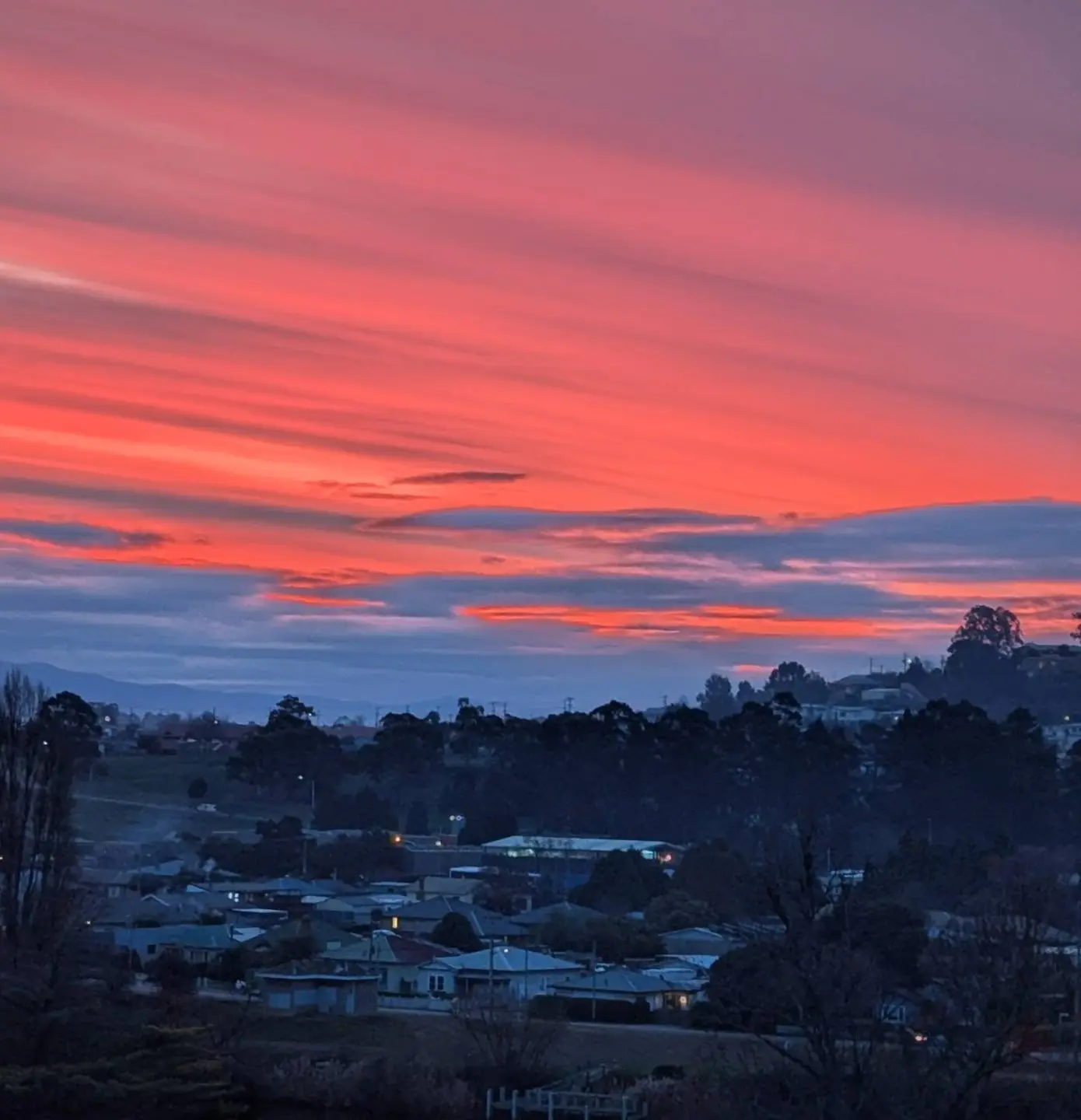
Tasmania’s wildlife may not be super rare, but it does demand a bit of patience. Get the timing wrong, and you’ll miss it; get it right, and you’ll see plenty.
Freycinet Coastline Near Wineglass Bay: Hang Around Longer Than The Tourists
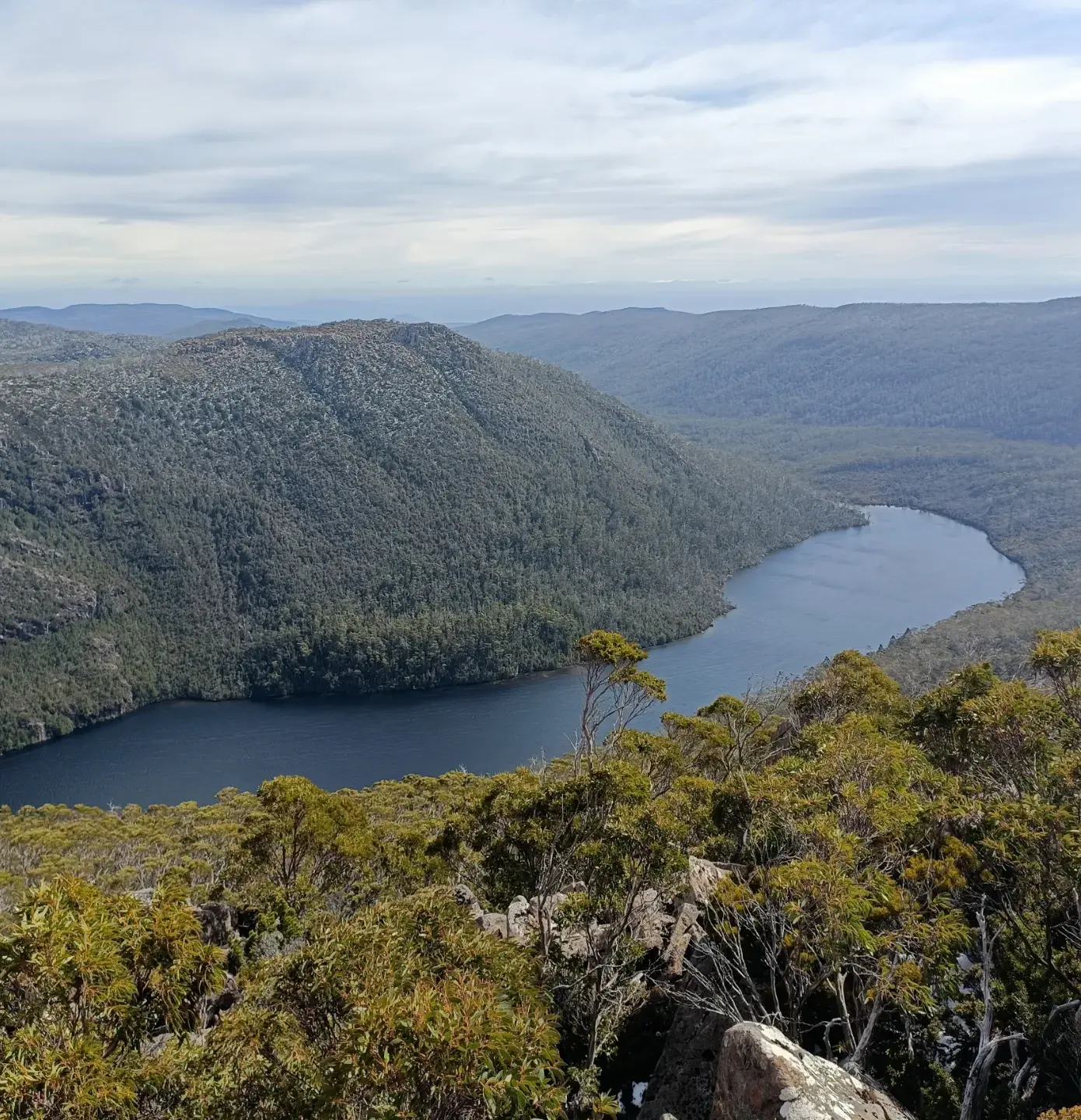
Most people zip into Wineglass Bay, grab a snap, and bugger off. That’s exactly when wildlife is least active.
Stick around late afternoon, though, and you’ll start noticing all sorts of wildlife hanging around:
- Wombats quietly munching away
- Wallabies strolling through the scrub
- Birdlife is getting into gear as the day cools
It’s not about going out there in a rush – it’s about waiting for the wildlife to come to you.
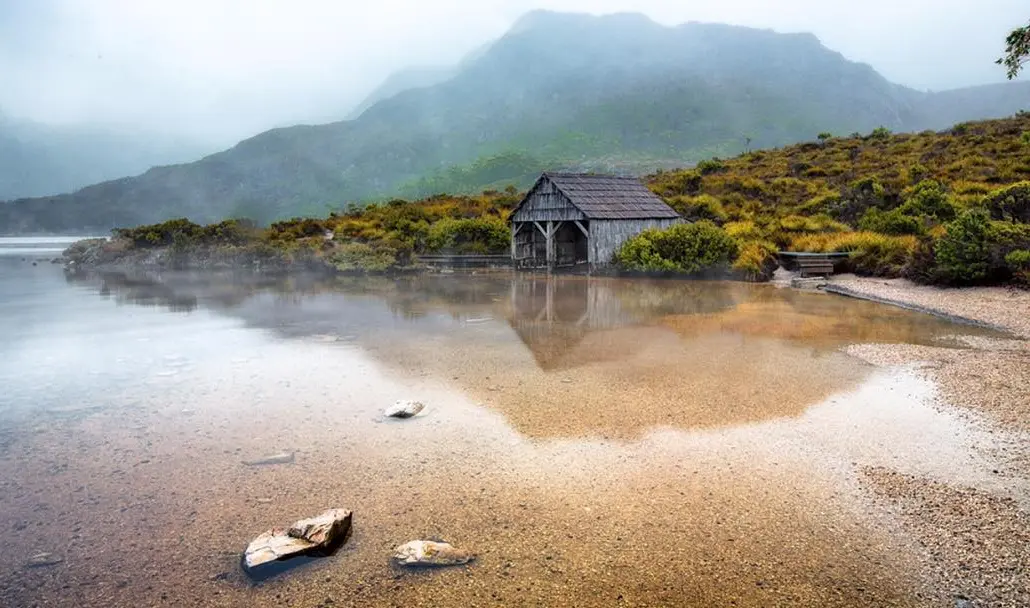
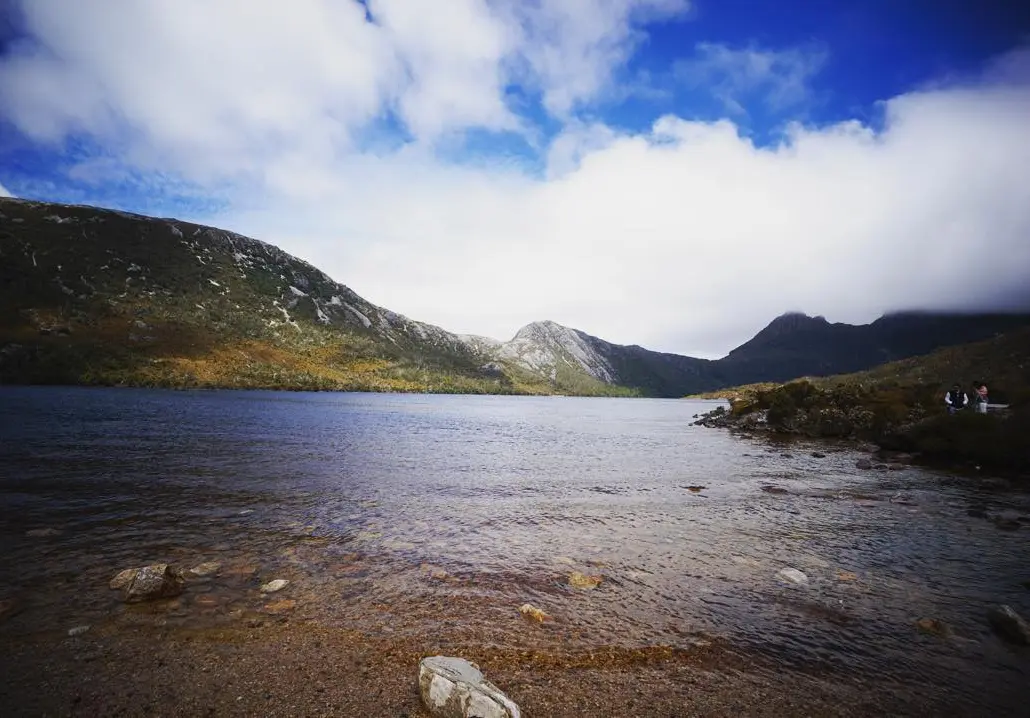
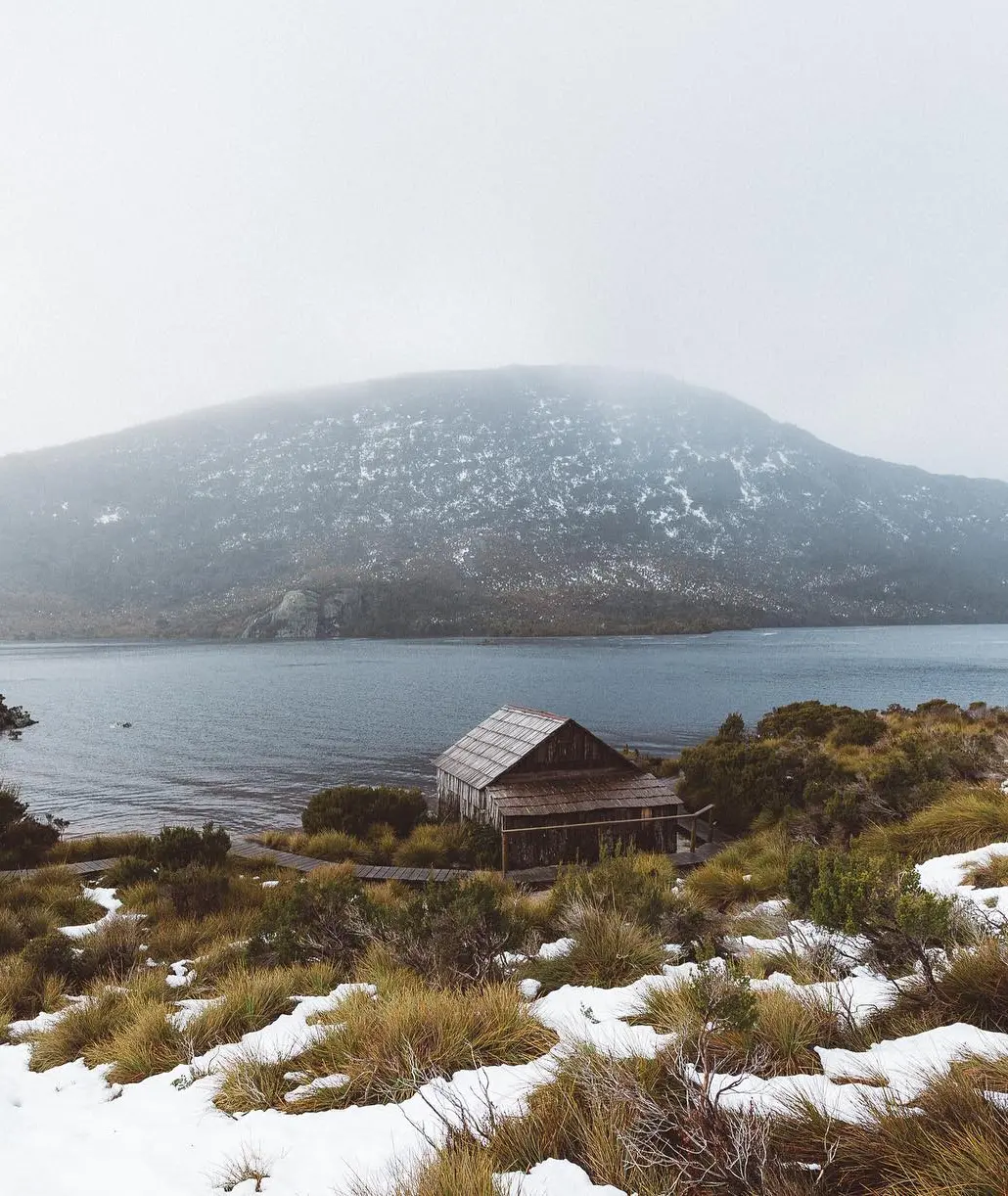
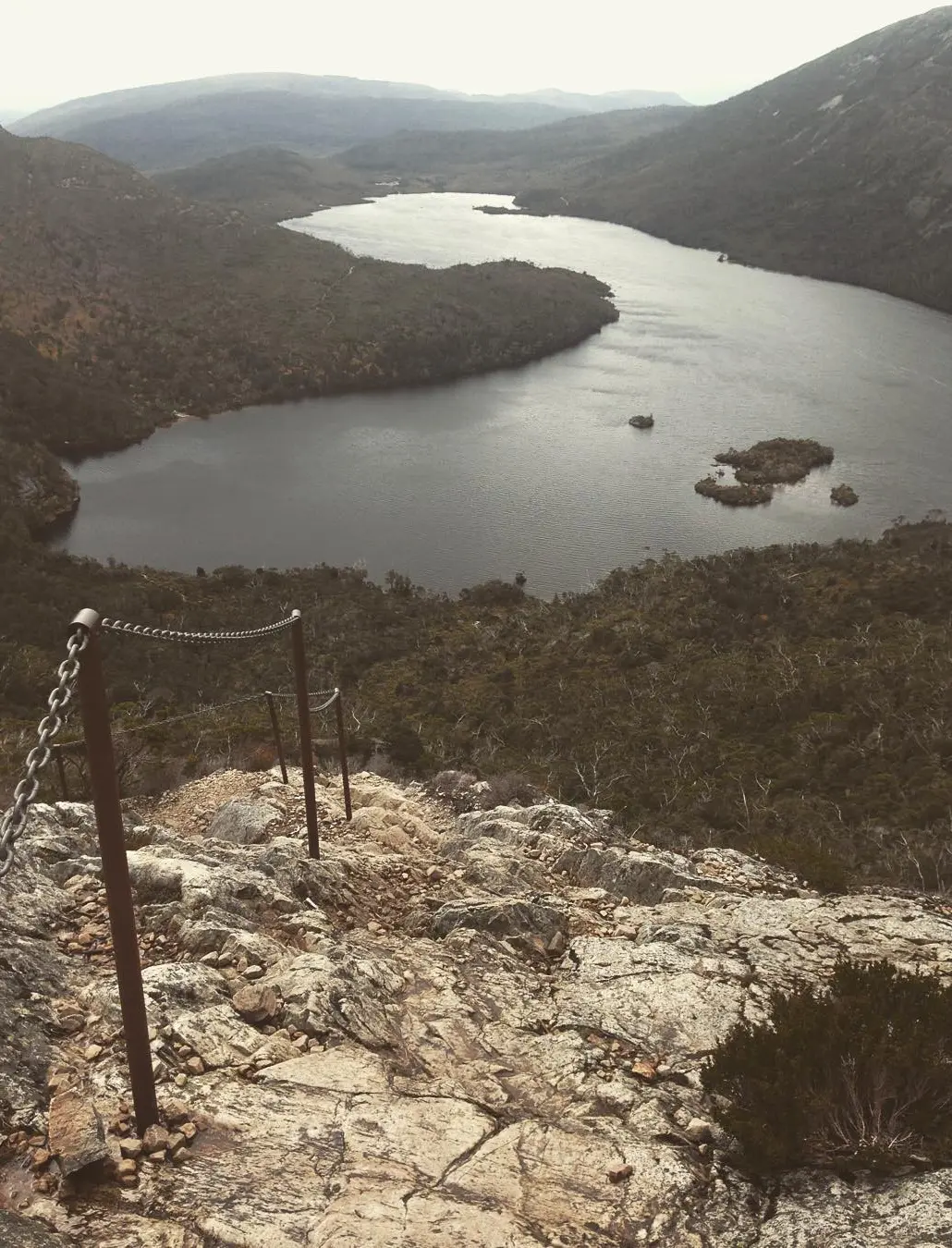
Cradle Mountain And Dove Lake: Timing Is Everything
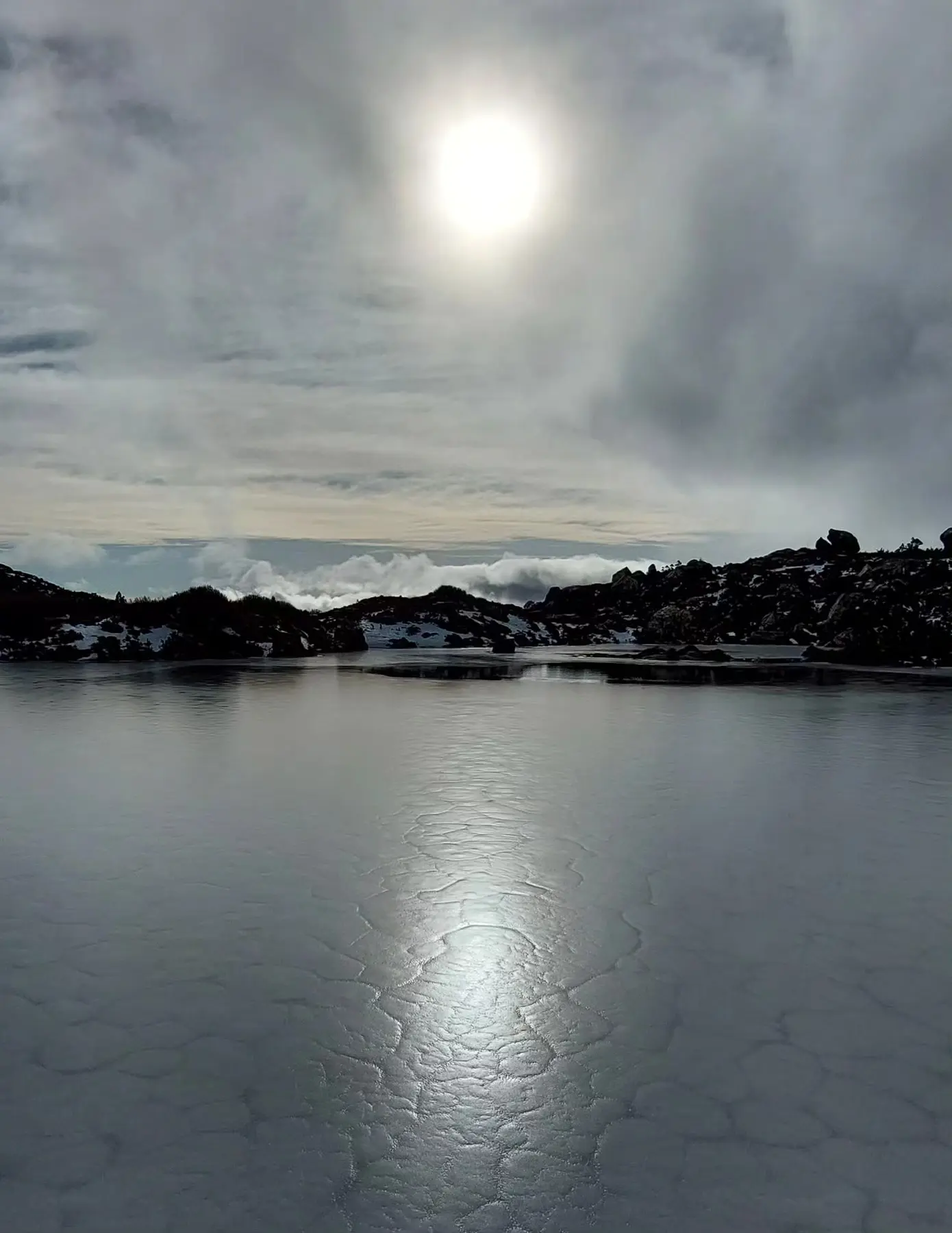
At Cradle Mountain, timing is not really a suggestion – it’s a requirement.
Get to Dove Lake early, before the car park is chock-a-block, and you’ve got a good chance of spotting:
- Wombats – if you’re lucky
- Echidnas – with a bit of effort
- Pademelons – if you’re up for that longer walk
And if you’re feeling adventurous, head on up to the Tarn Shelf, or get a bit of a hike in near Mount Mawson. Even in the off-season, the alpine environment feels remote and pretty quiet.
Bruny Island: Where Wildlife Packs Itself In
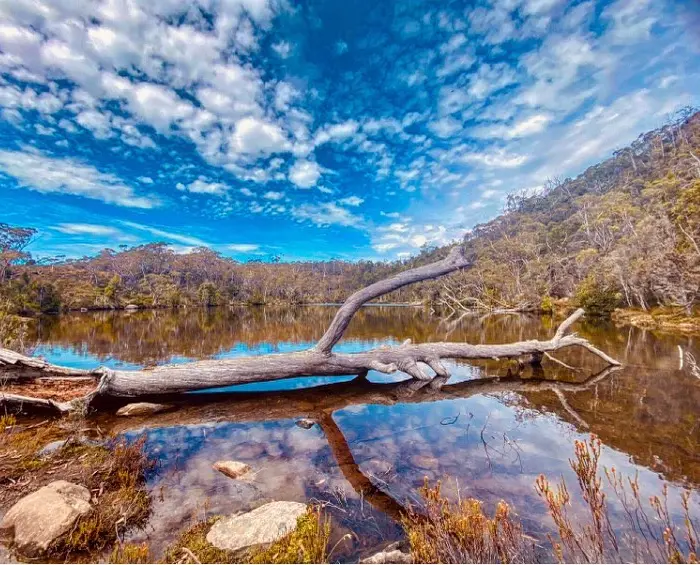
Bruny Island packs a lot of wildlife into a pretty tiny space, which makes it perfect for those with limited time who still want a good go at seeing wildlife.
You’ll likely spot:
- Wallabies at dusk – as the sun sets
- Birds along the coastal ridges – if you keep an eye out
- Opportunities to catch a glimpse of Tasmanian devils through some of the local conservation programs
And this is where smaller, local wildlife tours can really come into their own – they’ve got the inside knowledge to make all the difference.
Coastal Regions That Add A Whole New Hue
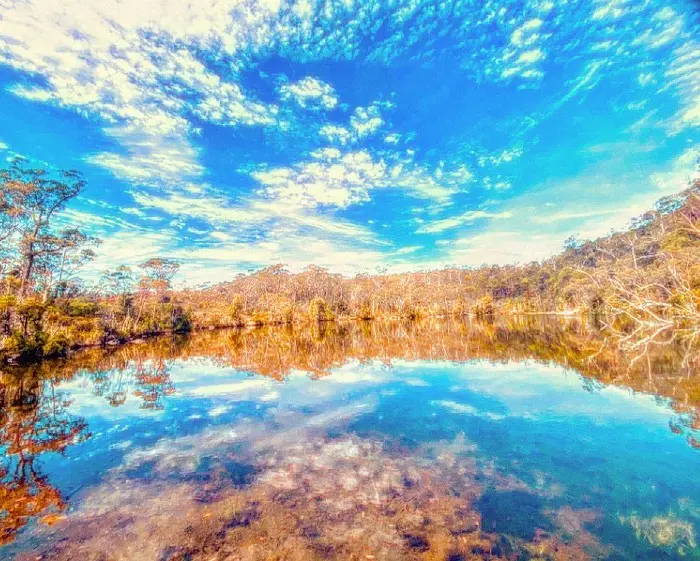
Autumn in Tassie is all about colour – but not just the trees.
Bay Of Fires: A Different Kind Of Colour Palette
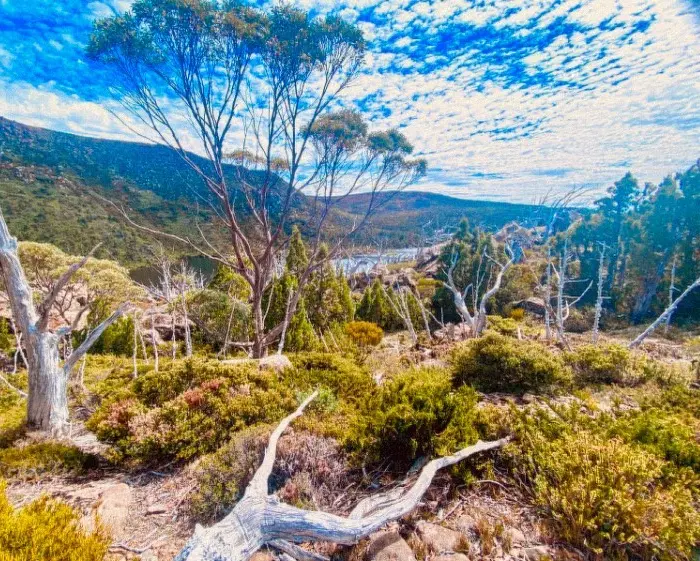
Bay of Fires is all about creating contrast – orange rock, white sand and bright blue water.
It’s a bit of a quieter time of year in March, and while the wildlife might not be as concentrated, you can still spot the odd seabird and some marine wildlife. It’s a great place to stop and recharge on your travels.
Tasman Peninsula: Wild And Windy
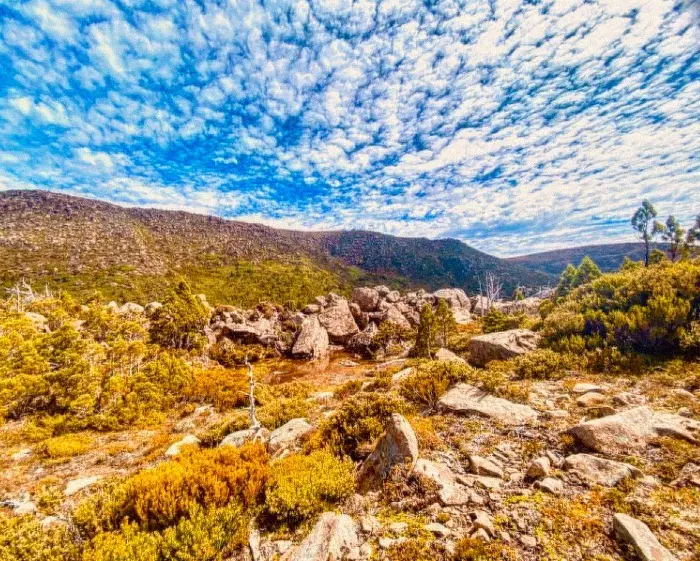
Tasman Peninsula gives you a much rawer experience. Cliffs drop into the ocean, and winds come in from the Bass Strait – often blowing in from the Roaring Forties.
You can find:
- Wallabies hanging around the walking tracks
- Birds riding the wind along the coast
- A few fewer crowds than you get in peak season
It’s a place that feels properly wild – and in a good way.
At-A-Glance Planning Guide For Key Regions
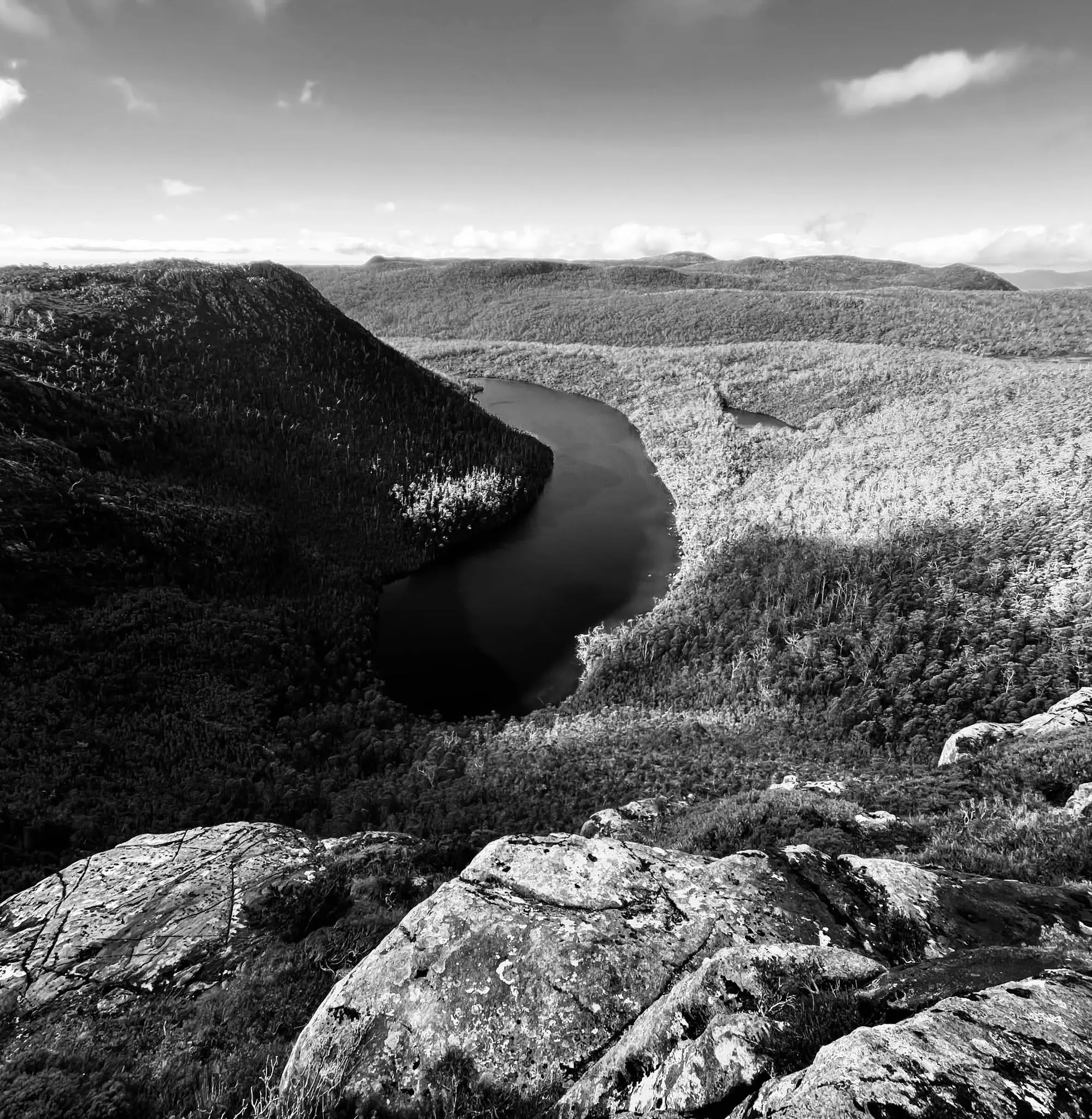
| Location | Main Experience | Wildlife Activity | Notes |
| Derwent Valley | Autumn foliage | Moderate | Easy access from Hobart |
| Mount Field | Forest and waterfalls | Good | Parks Pass required |
| Freycinet | Coastal walks | High (late afternoon) | Stay overnight if possible |
| Cradle Mountain | Alpine landscape | Very high (early morning) | Cold starts |
| Bruny Island | Wildlife diversity | High | Ferry from Kettering |
| Bay of Fires | Coastal scenery | Moderate | Quiet and remote |
| Tasman Peninsula | Cliffs and ocean views | Moderate | Can be windy |
Time Your Days to Get Better Results
March is the perfect time to get out there, but you still need to work with the natural ebb and flow.
- Early morning is when you’ll see the best wildlife activity, period
- Midday is a time for shorter walks and longer drives
- Late afternoon, and the wildlife is out and about again, so keep your eyes peeled
Temperatures are averaging 11 °C to 21 °C, but up in the high country like Cradle Mountain, you can bet it’ll be a bit chillier.
A Pretty Simple 5 Day Route That Hits the High Points
The reason this route works is that it doesn’t try to cram too much in.
- Day 1: Hobart to Derwent Valley – Follow the river, pop into New Norfolk and ease yourself into the trip
- Day 2: Mount Field – Waterfalls, forest walks and a pretty relaxed day
- Day 3: Freycinet – Get an early morning walk in and then hang around for some afternoon wildlife spotting
- Day 4: Up the coast – Be sure to pop by the Bay of Fires for a bit of a contrast
- Day 5: Cradle Mountain – Get up early and focus on wildlife and short walks
If you’ve got some time up your sleeve, throw in Bruny Island – it’s worth it
We like to build similar itineraries into our Wildlife Tours, but we make sure to keep things flexible so you can adjust on the fly as the weather and conditions dictate
Practical Tips That Actually Make a Difference
You don’t need to overthink this – just a bit of awareness can go a long way.
- Driving at dusk? Slow down – Aussie wildlife doesn’t exactly follow traffic rules
- Heading into the parks? Get that Parks Pass sorted and then check in with a Visitor Centre to make sure you know what you’re getting yourself into
- Packing? Don’t forget layers. Always remember layers
And one more thing – give yourself some buffer time. Tasmania is one of those places that rewards people who aren’t in a mad rush.
Local Food and Wine Without the Crowds
March is a great time to get stuck into some local produce without the peak season hordes.
- You’ll find:
- Some of the best Tasmanian wine around – especially pinot
- Really relaxed wine tastings in places like the Huon Valley
- Fresh seafood, as the lobster season is wrapping up
Don’t go looking for some fancy food itinerary – just follow the regions and grab something that looks good when you come across it
What to Expect (And What Not To Expect)
Let’s keep it real. The weather is going to change on you in a heartbeat. You can’t just demand that the wildlife turn up either. And the autumn colours? Well, that’s going to depend on the season.
But if you’re patient and willing to roll with the punches, you’ll get so much more out of this trip than you would have if you tried to stick to some rigid, overplanned itinerary.
Why This Approach to Travel is a Game Changer
Travelling in March is a whole lot easier when you take it easy – move more slowly, and just let things unfold. It all adds up – you avoid the crowds, increase your chances of spotting some decent wildlife, and actually take the time to appreciate where you are.
And let’s be honest, that’s the kind of genuine travel advice people want – based on real experience, really useful tips for people who actually make travel plans, not just some arbitrary rules or recommendations.
For me, that’s always been the key to a great trip – and it’s what I’ve learned works best.
Slow Down And Just Go With It
The thing is, Tasmania just doesn’t lend itself to rushed travel. Start early, stick around a bit longer than you intended, and most of all, take your time. That’s when you start to notice all the real magic – wildlife on the move, leaves catching the light in a way that’ll take your breath away, places that feel like they’ve been left untouched.
And if you’ve ever been stuck in traffic on the Great Ocean Road in Melbourne, you’ll appreciate just how different Tasmania is.
Take your time. That’s where the real fun is.
FAQ
When Do The Trees Finally Change Colour?
It usually starts mid to late March – you’ll see some real colour changes, especially in the valleys and inland cooler regions.
Where Are Your Chances of Spotting Wildlife Better?
Cradle Mountain, Freycinet, and Bruny Island are your best bets. Early and late in the day are when you’ll have the best chance of spotting some decent wildlife.
Do You Need to Buy a Pass to Get Into National Parks?
Yeah – a Parks Pass is required for most major parks, so it’s really good to sort that out before you arrive.
What Kind of Weather Should You Be Preparing For?
Daytime’s pretty mild, but mornings and evenings get chilly – and things can shift pretty quickly, especially if you’re heading inland.
Is It Still a Busy Time in March?
It’s not as hectic as the peak summer months, I reckon – but even still, the popular spots can get pretty busy on the weekends.